Hidden Wealth of Pangandaran: 59 Species of Macroalgae and Why They Matter

This field survey documents 59 species of intertidal macroalgae across Pangandaran’s shoreline—spanning green (Chlorophyta), red (Rhodophyta), and brown (Ochrophyta) groups—with the highest cover in Madasari. Two non‑native Ulva species (U. lactuca and U. flexuosa) are particularly dominant. By linking species patterns to habitat type, temperature, nutrients, and tourism pressure, the study explains why some sites […]

Exploring Marine Biodiversity in Pangandaran for Sustainable Ecotourism

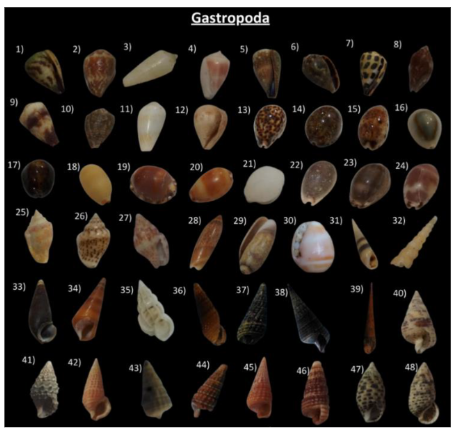
A new study led by researchers from Universitas Padjadjaran has revealed the remarkable biodiversity of marine macroinvertebrates along the Pangandaran coast, one of Indonesia’s most prominent ecotourism destinations. The research documented 160 species from 13 classes and 7 phyla, with mollusks being the most dominant group. The findings highlight how substrate types—rocky, muddy, sandy, and […]

New Research on Devil Rays in the Indian Ocean

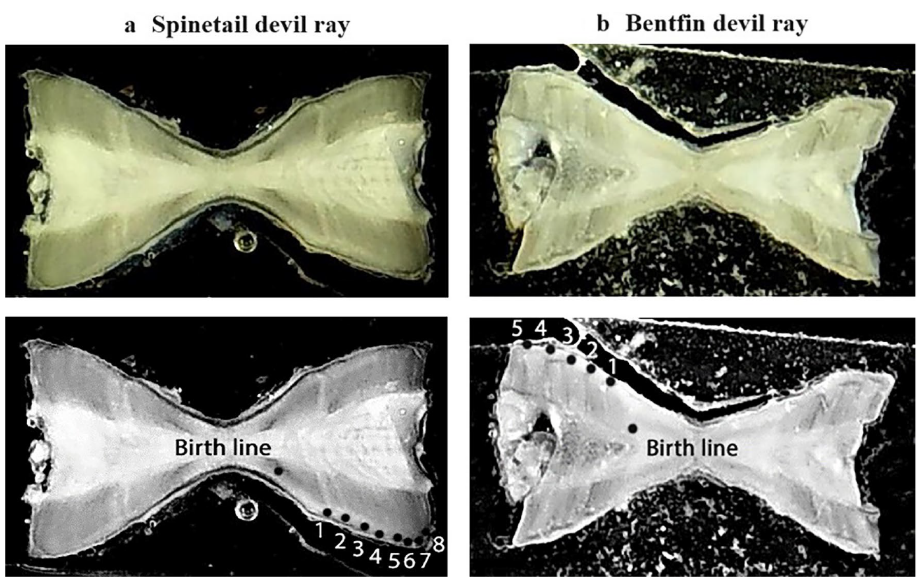
A new study published in Marine Biology highlights the urgent conservation needs of two endangered species of devil rays — the Spinetail Devil Ray (Mobula mobular) and the Bentfin Devil Ray (M. thurstoni) — in the Indian Ocean. Researchers found that these rays have extremely low reproductive rates and are highly vulnerable to overfishing. Current […]

Advancing Photonic Crystal Technology for High-Sensitivity Optical Sensors

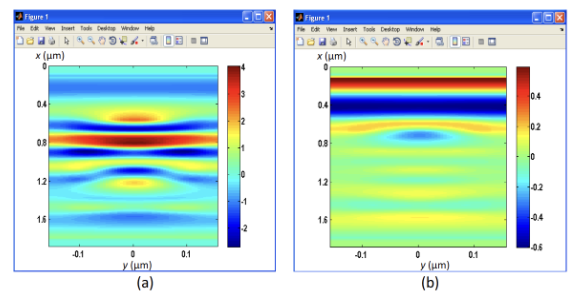
A team of researchers from Universitas Padjadjaran, Universitas Pakuan, and Universiti Tun Hussein Onn Malaysia has successfully analyzed the double resonance characteristics of photonic crystal structures with defect metal layers. Using the Finite Difference Frequency Domain (FDFD) method, the study revealed that introducing two defect layers—one metal and one sensing material—produces a double resonance effect […]

Unlocking Mangrove Ecotourism Potential in Pangandaran: Insights from Bulaksetra, Bojongsalawe, and Batukaras

A team of researchers from Universitas Padjadjaran and collaborators examined the potential of mangrove ecosystems in Pangandaran, West Java, as a foundation for sustainable ecotourism development. Focusing on three locations—Bulaksetra, Bojongsalawe, and Batukaras—the study combined field surveys, vegetation analysis, water quality assessments, and satellite imagery to measure the mangrove tourism suitability index (TSI). Findings revealed […]

Estuary Water Quality in Cirebon Before and After COVID‑19

COVID‑19 lockdowns offered a rare, real‑world experiment: what happens to estuaries when human activity slows down—and what happens when it resumes? This study tracks water quality in three Cirebon estuaries (Kesenden, Sukalila, Kalijaga) over 2019–2023, comparing pre‑, during‑, and post‑restriction periods. Using the NSF‑Water Quality Index, the team integrated physical (temperature, turbidity, total solids), chemical […]

Socio-Economic Dynamics of Octopus Fisheries in East Java

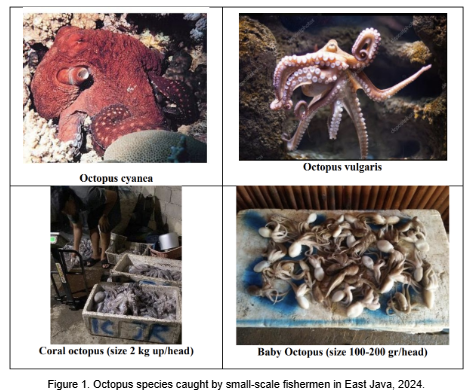
A recent study published in BIO Web of Conferences (2025) explores the socio-economic dynamics of small-scale octopus fisheries in East Java, Indonesia. Conducted in Sumenep, Banyuwangi, and Malang, the research highlights how octopus fishing serves as a crucial livelihood for coastal communities, while also facing significant challenges such as climate change, fluctuating market prices, high […]

Cold Shock Technique Boosts Tetraploid Catfish Production

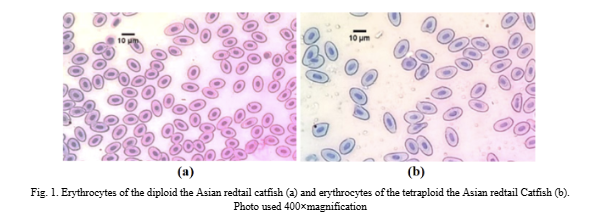
A recent study published in Trends in Sciences (2025) investigated how cold shock treatments affect larval viability and chromosome manipulation in the Asian redtail catfish (Hemibagrus nemurus). By applying temperature shocks at different times after fertilization, researchers found that a 3-minute cold shock at 6 °C, given 28 minutes after fertilization, produced the highest tetraploid […]

Probiotics Improve Growth of Snakehead Fish in Bucket System

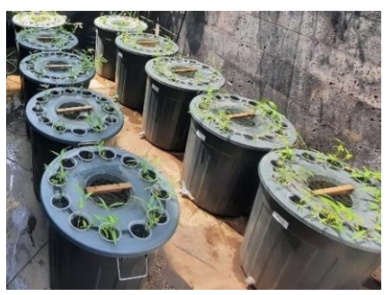
A new study published in the Egyptian Journal of Aquatic Biology & Fisheries (2025) highlights the effectiveness of probiotics in enhancing the growth and feed efficiency of snakehead fish (Channa striata) cultivated in a bucket system. This innovative aquaculture method addresses land scarcity by using small-scale media, making fish farming more accessible and environmentally friendly. […]