Unlocking the Bioactive Potential of Tropical Brown Macroalgae

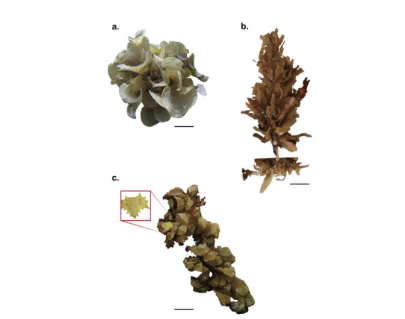
A recent study published in Marine Drugs (2025) sheds light on the bioactive compounds and chemodiversity of tropical brown macroalgae, highlighting their potential as a sustainable source for pharmaceuticals, nutraceuticals, and functional food products. Brown macroalgae are rich in unique compounds such as phlorotannins, fucoxanthin, and sulfated polysaccharides, which exhibit antioxidant, anti-inflammatory, and antimicrobial properties […]
Effect of fermented restaurant waste meal addition on growth performance of pangasius catfish (Pangasius pangasius) for promoting sustainable aquaculture

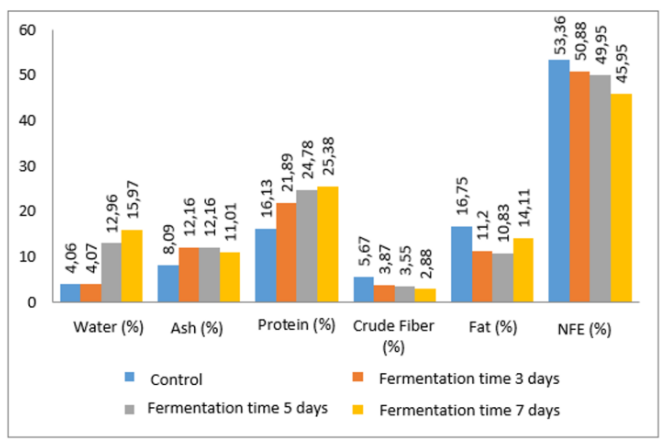
Aquaculture faces two pressing challenges: the high cost of feed and the environmental burden of waste. This study by researchers from Universitas Padjadjaran investigates how fermented restaurant waste flour (FRWF) can be used as a low-cost, eco-friendly feed ingredient to improve the growth of pangasius catfish fry (Pangasius pangasius). Restaurant waste typically contains useful nutrients—protein, […]

 Nanoplastics in aquatic environments: The hidden impact of aging on fate and toxicity

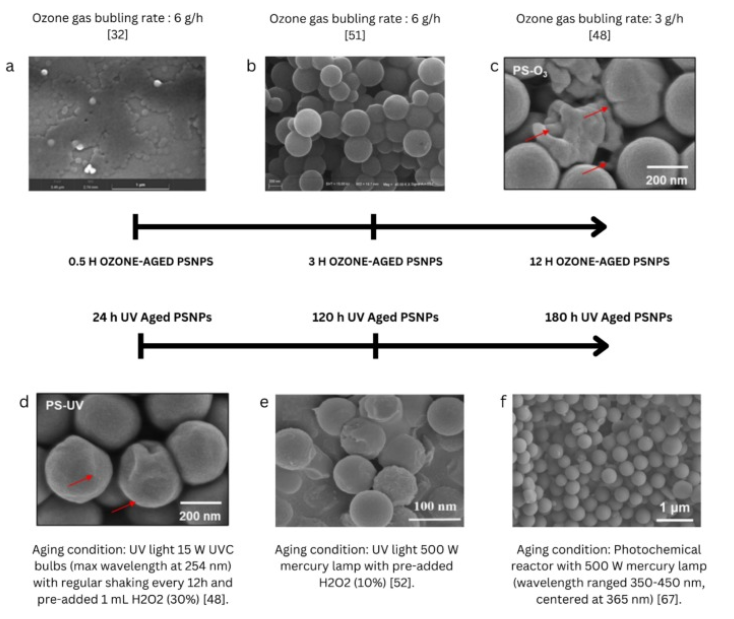
Nanoplastics—tiny plastic particles smaller than 1 µm—are increasingly recognized as an invisible but serious threat to aquatic ecosystems. While much research has focused on their presence and immediate toxicity, this study emphasizes a critical but underexplored dimension: how nanoplastics “age” once they enter the environment, and how this aging alters their behavior, interactions, and risks. […]

Eco‑Friendly Biocomposites that Clean Dyes from Wastewater

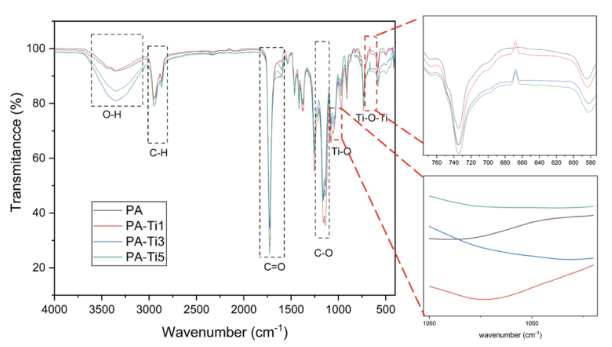
Industrial dye effluents are a persistent source of water pollution in many developing regions. This study presents a greener pathway to remove dyes—specifically methylene blue—by engineering a hybrid biocomposite made from alginate, polycaprolactone (PCL), and TiO₂. The materials were compounded and characterized using XRD, FT‑IR, tensile testing, DSC/TGA, and biodegradation assays, then evaluated for their […]

New Marine-Derived Compounds Show Promise Against Breast Cancer

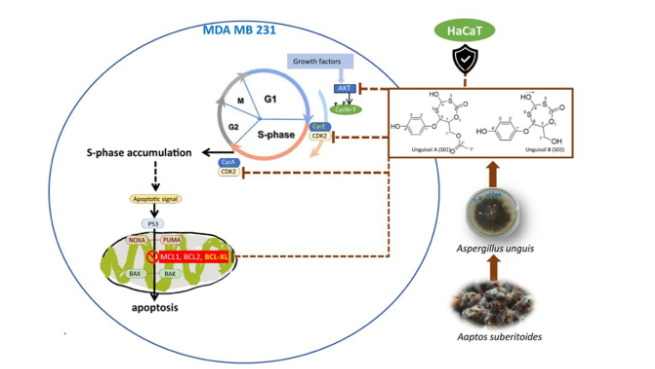
A research team led by Universitas Padjadjaran, in collaboration with Bandung Institute of Technology, IPB University, Universitas Andalas, and Universiti Malaysia Terengganu, has successfully identified two novel compounds—Unguisol A and Unguisol B—from the marine fungal symbiont Aspergillus unguis, isolated from sponges in the Seribu Islands, Indonesia. Published in the Journal of Experimental Pharmacology (2025), this […]

 Effects of Dietary Tryptophan Supplementation on Melatonin and Oocyte Maturation in African Catfish, Clarias gariepinus

African catfish (Clarias gariepinus) is one of the most important freshwater aquaculture species due to its adaptability, fast growth, and commercial value. However, its reproduction is naturally seasonal, creating challenges for year-round seed production. This study explored how dietary supplementation of tryptophan, an essential amino acid, could influence reproductive hormones and oocyte maturation in African […]

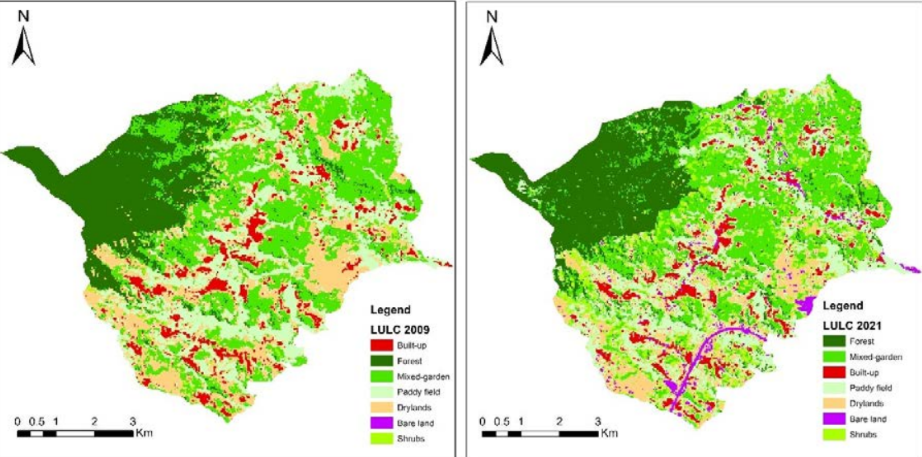
Where to Replant First: AI Maps Priority Forest Restoration Zones in Belitung

This paper develops an optimization framework to decide where reforestation and afforestation should happen first in Belitung Island to deliver the biggest gains for people and nature. The team integrates spatial data on land use, degradation, and ecosystem services—carbon storage, water regulation, habitat quality—then runs scenarios to identify high‑impact restoration zones under real‑world constraints. The […]

Tracking Fishing Hotspots in the Aru Sea: How Ocean Conditions Shape Local Fisheries

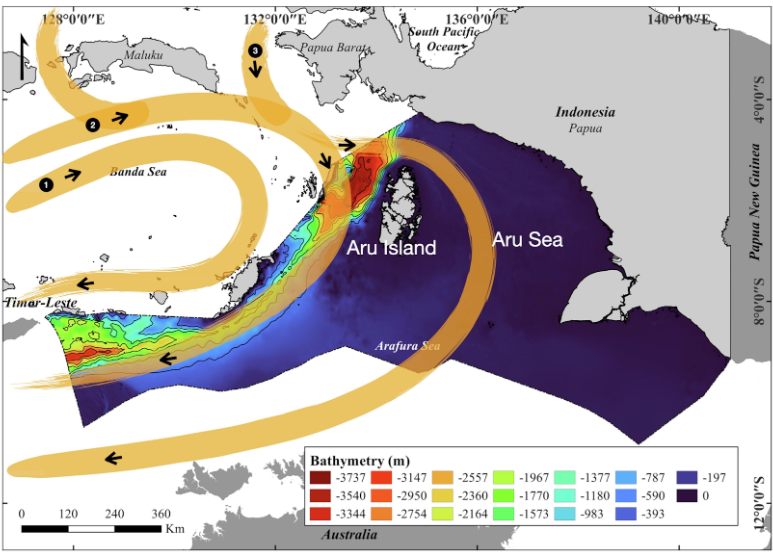
A research team examined how small-scale fishing unfolds in the Aru Sea (FMA 718) by combining in‑situ tracking of fishing trips with satellite‑derived oceanographic data—sea surface temperature, sea surface height, chlorophyll‑a, and currents. The goal was to better understand why fishing “hotspots” appear when and where they do, and how those patterns shift across monsoon […]

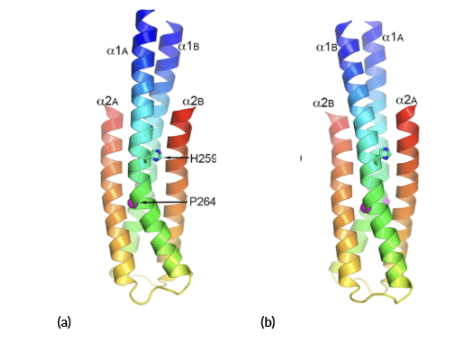
Breaking Ground in TB Drug Discovery: Development of a Dimer-Based Screening System Targeting PhoR

A research collaboration led by Institut Teknologi Bandung with contributions from Universitas Padjadjaran’s Faculty of Fisheries and Marine Sciences (represented by Dr. Eri Bachtiar) has successfully developed a dimer-based screening system (DBSS) to target Mycobacterium tuberculosis’s PhoR sensor kinase. This innovation opens a promising path toward the discovery of novel anti-tuberculosis (TB) drugs, especially in […]

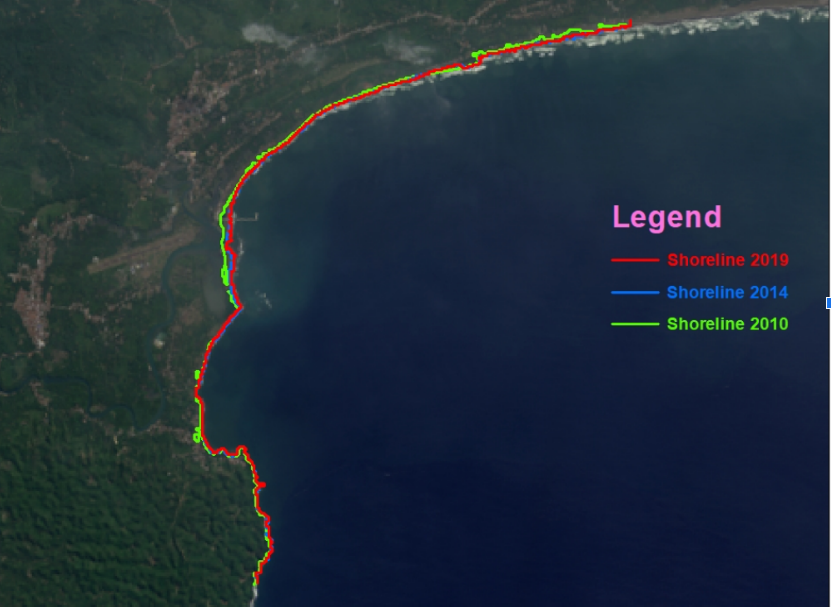
Tracking Coastal Change: Erosion at Batu Hiu and Accretion at Bojong Salawe in Pangandaran

Coastal zones are among the most dynamic and fragile environments on Earth, continuously shaped by waves, tides, currents, and human activity. In Indonesia, which has one of the longest coastlines in the world, shoreline change is a pressing issue that affects ecosystems, infrastructure, and communities. Pangandaran Regency in West Java is one such region, where […]

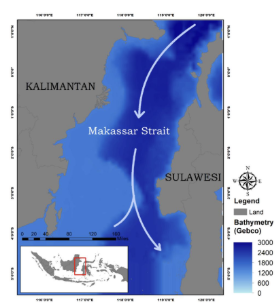
Research Spotlight: Mapping Skipjack Tuna Habitats in the Makassar Strait

A new study led by researchers from Universitas Padjadjaran, in collaboration with Universitas Hasanuddin and Andalas University, has successfully modeled the potential habitat of skipjack tuna (Katsuwonus pelamis) in the Makassar Strait using satellite-derived oceanographic data and the MaxEnt model. By integrating parameters such as sea surface temperature, salinity, chlorophyll-a, sea surface height, wind, and […]