When Clay Expands and Shrinks: Managing Soil Strength in East Borneo’s Roads

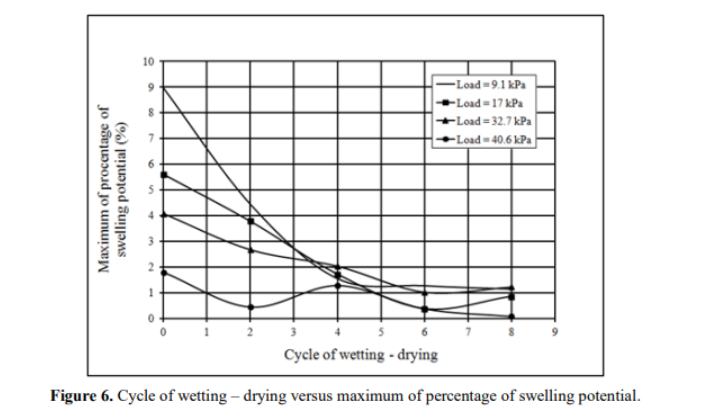
Original Title: Alternation of qu (UCT) and Water Content (w) Parameters of East Borneo Expansive Clay under Wetting-Drying Process SDGs Connection: Expansive clay soils pose a major challenge to infrastructure development due to their tendency to swell when wet and shrink when dry. This study focuses on expansive clay deposits in East Borneo, Indonesia, particularly […]
Digital Innovation Links Circular Economy and Decarbonization

Researchers from Universitas Padjadjaran, together with international partners, have contributed to the article “Reinforcing synergy between circular economy in tourism and decarbonization in waste sector using digitalization: Case study in Taipei and Sukunan (Indonesia) in promoting carbon neutrality” (Waste Management & Research, April 2025). The study highlights how digitalization can bridge the gap between circular […]

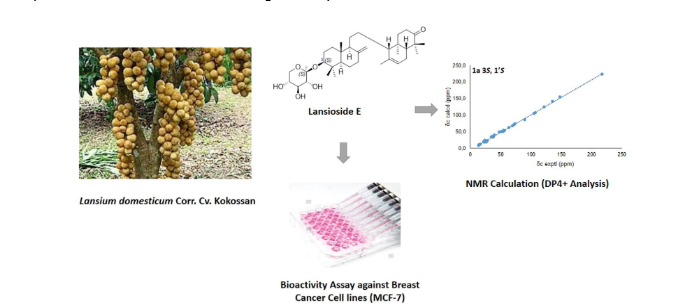
Lansioside E, an onoceranoid-type triterpenoid isolated from the fruit peel of Lansium domesticum Corr. cv. Kokossan and its cytotoxic activity against MCF-7 breast cancer cells

This study focuses on the phytochemical exploration of Lansium domesticum Corr. cv. Kokosan (kokosan), a fruit from the Meliaceae family commonly consumed in Southeast Asia but with limited research on its bioactive compounds. The research team successfully isolated a new onoceranoid glycoside, Lansioside E, along with two previously known compounds, from the fruit peel. The […]

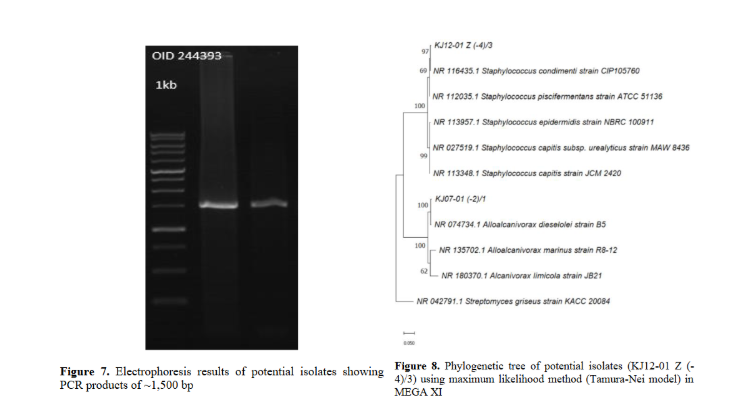
Exploring plastic-degrading enzyme producers from Ascidian-associated bacteria in Karimunjawa Islands, Indonesia

Plastic pollution has become one of the world’s most urgent environmental problems, with marine ecosystems facing severe impacts from waste accumulation. This study focused on exploring bacteria that live in association with ascidians—marine invertebrates commonly found on coral reefs and marine debris—in the Karimunjawa Islands, Indonesia. The research aimed to identify bacteria capable of producing […]

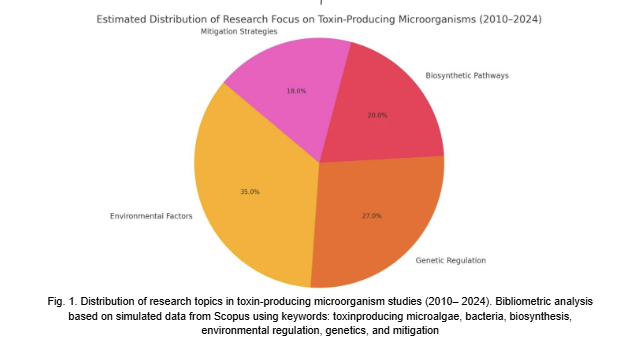
Tackling the Challenges of Toxin-Producing Microorganisms in Aquatic Ecosystems

A new study published in Egyptian Journal of Aquatic Biology & Fisheries (2025) reviews the challenges and scientific advances in understanding toxin-producing microorganisms in aquatic ecosystems. These harmful microorganisms—including toxin-producing bacteria, algae, and fungi—pose threats to aquatic biodiversity, human health, and food security. The paper highlights that while rapid advances in molecular biology and biotechnology […]

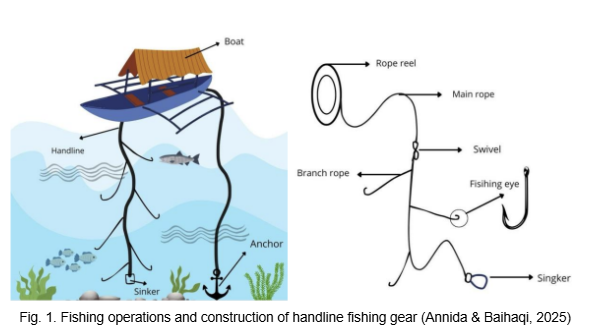
Evaluating Handline Fisheries in Palabuhanratu for Sustainable Management

A new study published in the Egyptian Journal of Aquatic Biology & Fisheries (2025) highlights the dynamics of handline fishing fleets at the Palabuhanratu Nusantara Fishing Port, Sukabumi. Covering data from 2019–2023, the research reveals that ribbonfish (Trichiurus lepturus) dominate catches (>55%), yet overall productivity has declined by 4.26% per year. Seasonal analysis shows the […]

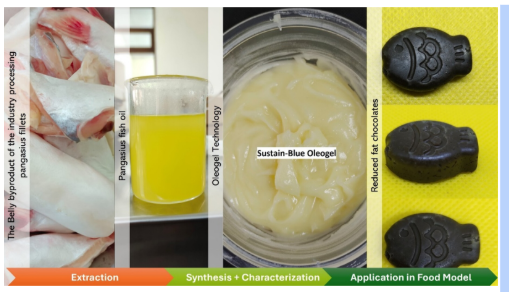
Turning Fish Byproducts into Sustainable Chocolate Innovation

Researchers from Universitas Padjadjaran and collaborators have published a pioneering study titled “Valorization of Pangasius byproduct oil in wax-structured oleogels as a potential butter substitute for reduced-fat chocolate-based products” (First published: March 13, 2025). The research explores how Pangasius belly oil—an underutilized byproduct of the fish industry—can be transformed into a sustainable oleogel to replace […]

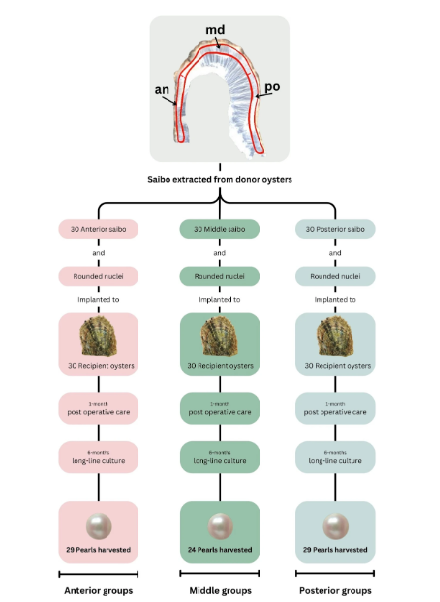
Posterior saibo selection in the Japanese pearl oyster, Pinctada fucata martensii, as a non-genetic approach to producing high-quality cultured pearls

Cultured pearls are among the most valuable aquaculture products worldwide, with Japan playing a leading role in pearl oyster farming. However, pearl quality often varies due to biological and environmental factors. This study investigates a non-genetic method to enhance pearl quality by selecting posterior saibo (mantle tissue grafts) from donor oysters of Pinctada fucata martensii. […]

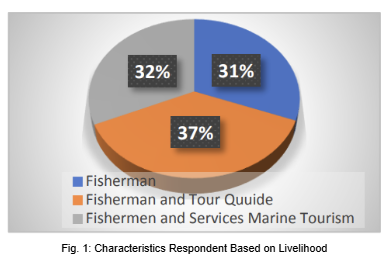
Exploring Marine Tourism for Sustainable Empowerment of Coastal Communities

A new study published in WSEAS Transactions on Environment and Development (2025) explores how marine tourism can serve as a driver for sustainable empowerment of coastal communities in the southern region of West Java, Indonesia. Based on surveys and field data collected between April 2023 – June 2024, the research highlights that while marine tourism […]

Europium – Labelled Nanoplastics Offer Breakthrough for Environmental Toxicology Studies

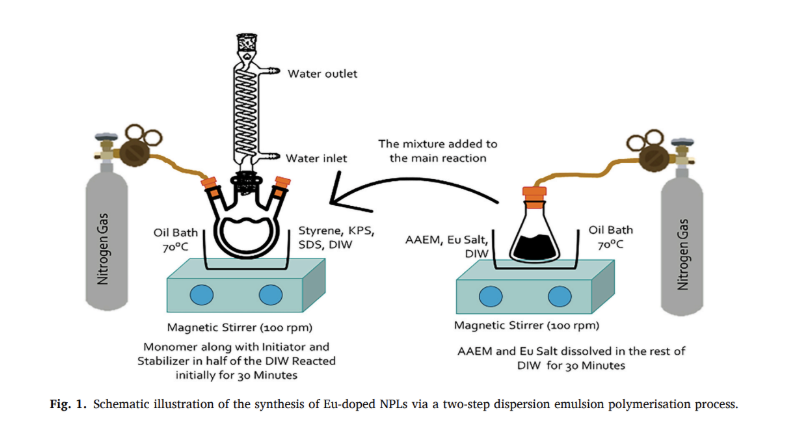
A new study published in Environmental Nanotechnology, Monitoring & Management (2025) introduces europium-labelled nanopolystyrene as an innovative model to track nanoplastics in environmental toxicology research. Unlike conventional polystyrene beads, these europium-tagged nanoplastics allow scientists to visualize and quantify plastic particle uptake in aquatic organisms with higher sensitivity and precision. This advancement addresses one of the […]