Posterior saibo selection in the Japanese pearl oyster, Pinctada fucata martensii, as a non-genetic approach to producing high-quality cultured pearls

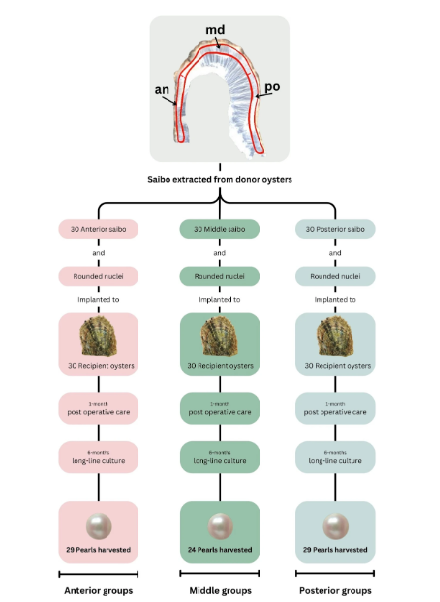
Cultured pearls are among the most valuable aquaculture products worldwide, with Japan playing a leading role in pearl oyster farming. However, pearl quality often varies due to biological and environmental factors. This study investigates a non-genetic method to enhance pearl quality by selecting posterior saibo (mantle tissue grafts) from donor oysters of Pinctada fucata martensii. […]
How Light and Temperature Tune Catfish Reproduction

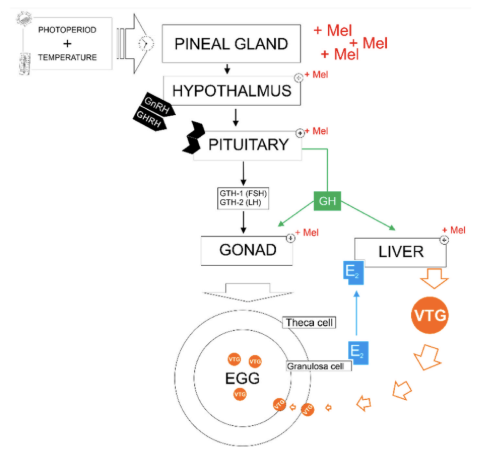
Aquaculture producers need practical, low‑cost levers to improve spawning success without increasing environmental pressure. This research tests two such levers—photoperiod (day–night cycles) and water temperature—on hormone profiles that control the reproductive cycle of female African catfish (Clarias gariepinus). The team measured melatonin, growth hormone, estradiol, and vitellogenin under controlled regimes, then linked hormonal responses to […]

Projecting the Impacts of Ocean Warming on Key Fishing Zones

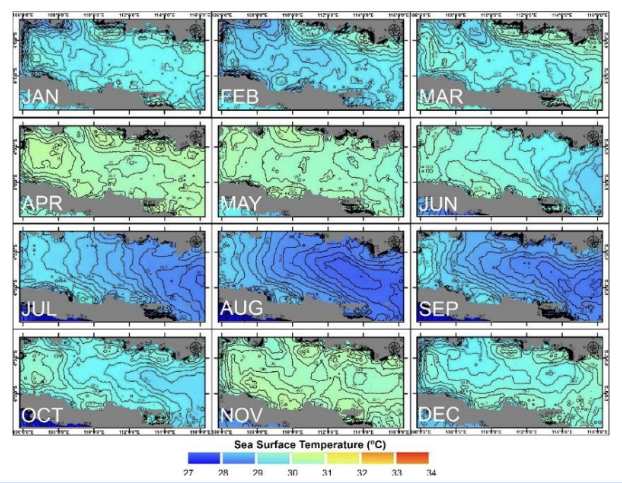
Researchers from Universitas Padjadjaran have published a new study, “Projected Impacts of Ocean Warming on the Potential Fishing Zone of Eastern Little Tuna (Euthynnus affinis) in the Java Sea” in the Egyptian Journal of Aquatic Biology & Fisheries (Vol. 29, 2025). Using satellite-derived sea surface temperature (SST), chlorophyll-a, and salinity data from 2016–2020, the team […]

Lead (Pb) Heavy Metal Existence in the Eastern Indonesian Seas

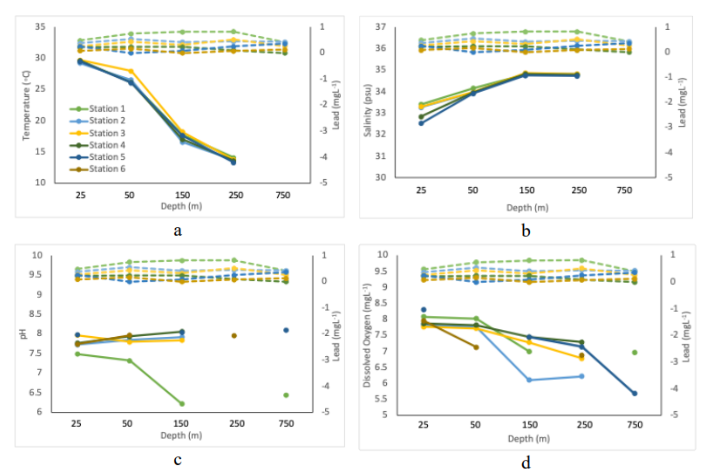
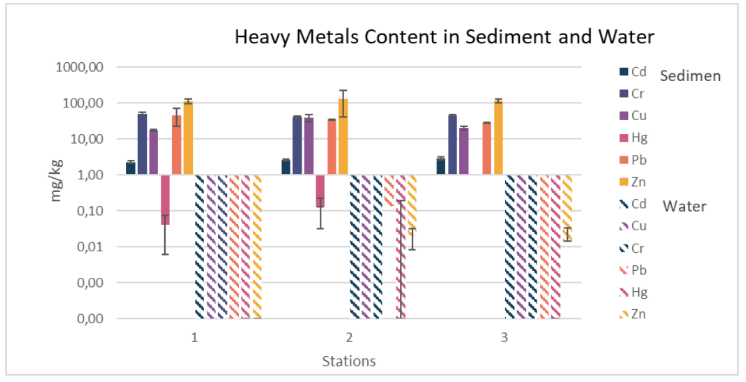
This study investigates the presence and distribution of lead (Pb), a highly toxic heavy metal, in the Flores Sea—an important maritime corridor in Eastern Indonesia. The researchers measured lead concentrations at different depths and sediments, using Atomic Absorption Spectroscopy (AAS), during the Jala Citra 3 Expedition (April–May 2023). The results revealed that lead levels exceeded […]

Identification of Microplastic in the Digestive Tracts of Mackerel Tuna, Lemuru and Sea Water from Pangandaran, Indonesia

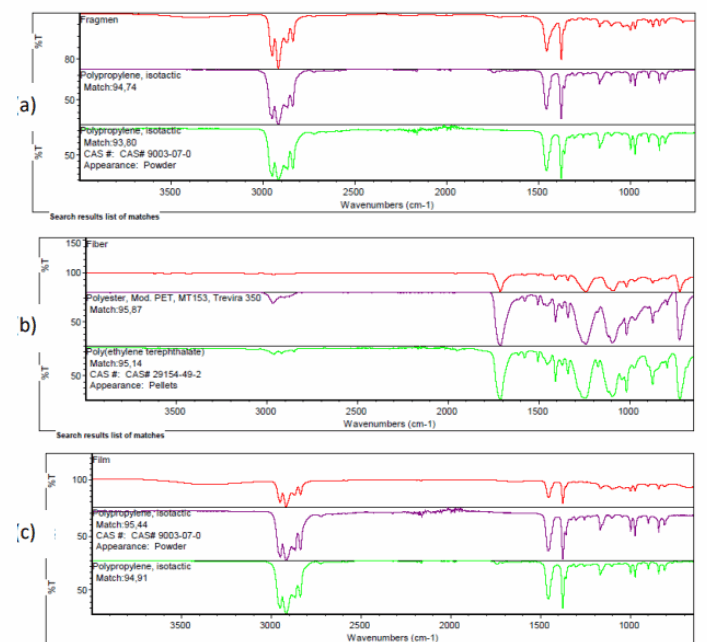
This study investigates the alarming presence of microplastics in the coastal ecosystem of Pangandaran, Indonesia, focusing on their accumulation in commercially important fish species—mackerel tuna and lemuru—as well as in seawater samples. Researchers collected fish samples landed by coastal trawlers and seawater along fishing routes on the East Coast of Pangandaran. Using laboratory methods including […]

Fishing Grounds Identification in Jatigede Reservoir Based on Remote Sensing Analysis of Surface Temperature and Chlorophyll-a

A research team from Universitas Padjadjaran conducted a study to help identify the most productive fishing areas in Jatigede Reservoir, West Java, using satellite technology. This reservoir, which spans more than 4,000 hectares, is vital for electricity generation, irrigation, and fisheries. However, local fishers often rely only on experience to choose fishing sites, which limits […]

Ocean Productivity in the Eastern Tropical Indian Ocean During La Niña

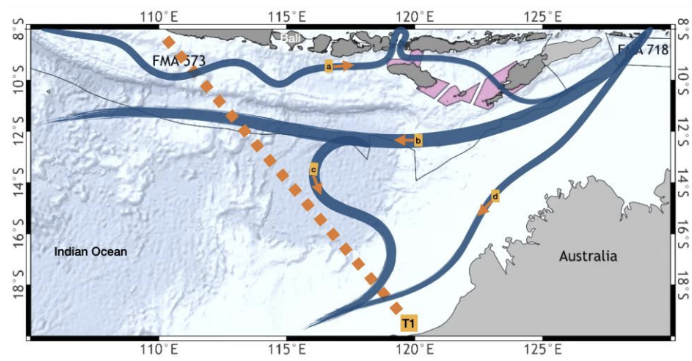
A collaborative research led by Universitas Padjadjaran and University Malaysia Terengganu has explored chlorophyll-a and nutrient dynamics in the Eastern Tropical Indian Ocean (ETIO) during the 2022–2023 La Niña event. The study revealed strong vertical stratification of nitrate, phosphate, and silicate, with a well-defined nutricline around 100 meters depth. Seasonal monsoon-driven upwelling along Java’s southern […]

Extending Pangasius Fillet Shelf Life with Nanochitosan Innovation

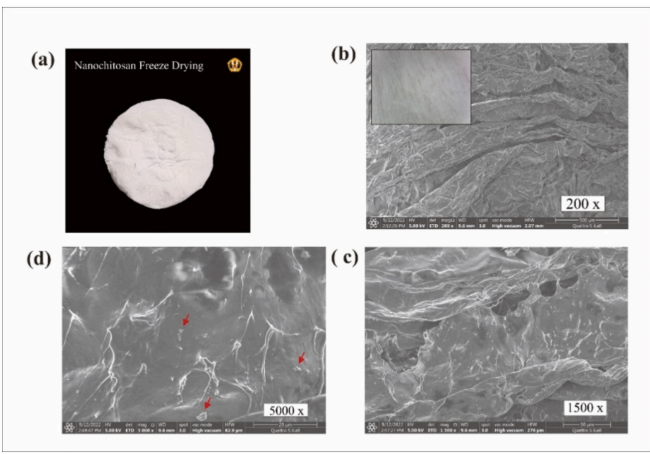
Researchers from Universitas Padjadjaran have successfully developed an edible coating enriched with nanochitosan to preserve the quality of Pangasius (Pangasius sp.) fillets during storage. The study demonstrated that a 2% nanochitosan-incorporated coating significantly reduced weight loss, maintained neutral pH levels, and inhibited bacterial growth—allowing fillets to stay fresh and safe for consumption for up to […]

Hidden Wealth of Pangandaran: 59 Species of Macroalgae and Why They Matter

This field survey documents 59 species of intertidal macroalgae across Pangandaran’s shoreline—spanning green (Chlorophyta), red (Rhodophyta), and brown (Ochrophyta) groups—with the highest cover in Madasari. Two non‑native Ulva species (U. lactuca and U. flexuosa) are particularly dominant. By linking species patterns to habitat type, temperature, nutrients, and tourism pressure, the study explains why some sites […]

Exploring Marine Biodiversity in Pangandaran for Sustainable Ecotourism

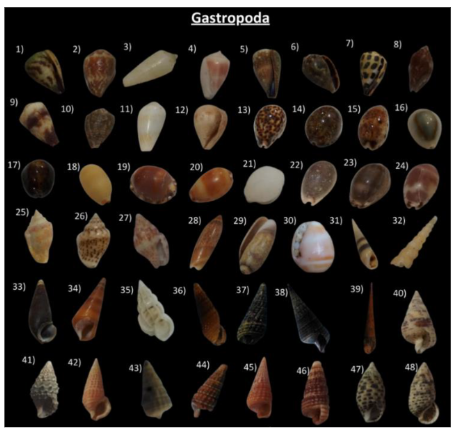
A new study led by researchers from Universitas Padjadjaran has revealed the remarkable biodiversity of marine macroinvertebrates along the Pangandaran coast, one of Indonesia’s most prominent ecotourism destinations. The research documented 160 species from 13 classes and 7 phyla, with mollusks being the most dominant group. The findings highlight how substrate types—rocky, muddy, sandy, and […]