
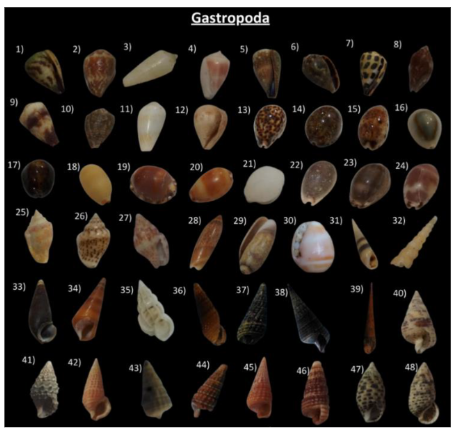


A new study led by researchers from Universitas Padjadjaran has revealed the remarkable biodiversity of marine macroinvertebrates along the Pangandaran coast, one of Indonesia’s most prominent ecotourism destinations. The research documented 160 species from 13 classes and 7 phyla, with mollusks being the most dominant group. The findings highlight how substrate types—rocky, muddy, sandy, and craggy ecosystems—strongly influence species distribution and biodiversity richness.
This study emphasizes the dual role of ecotourism: while it provides economic benefits, it also poses significant ecological challenges through habitat disturbance and species collection. The team’s results are crucial for developing strategies that balance biodiversity conservation with sustainable tourism practices, supporting Indonesia’s commitment to marine sustainability.
The research directly aligns with the UN Sustainable Development Goals (SDGs) 14: Life Below Water and 15: Life on Land, promoting responsible use of coastal ecosystems. By strengthening ecological monitoring and biodiversity data, the study offers vital insights for policymakers, local communities, and the tourism sector in safeguarding Pangandaran’s marine heritage.
Full article: Marine Macroinvertebrate Biodiversity in Ecotourism of Pangandaran Coastal, Indonesia
Meet the Researchers:
This study was conducted by Asep Sahidin, Vira Lestari, Irfan Zidni, Pringgo Kusuma Dwi Noor Yadi Putra, Faqih Baihaqi, Lady A. Sriwijayanti, and Zahidah from the Faculty of Fisheries and Marine Science, Universitas Padjadjaran.
Hashtags:
#MarineBiodiversity #SustainableTourism #SDG14 #SDG15 #UnpadResearch #Pangandaran