
This paper develops an optimization framework to decide where reforestation and afforestation should happen first in Belitung Island to deliver the biggest gains for people and nature. The team integrates spatial data on land use, degradation, and ecosystem services—carbon storage, water regulation, habitat quality—then runs scenarios to identify high‑impact restoration zones under real‑world constraints. The […]
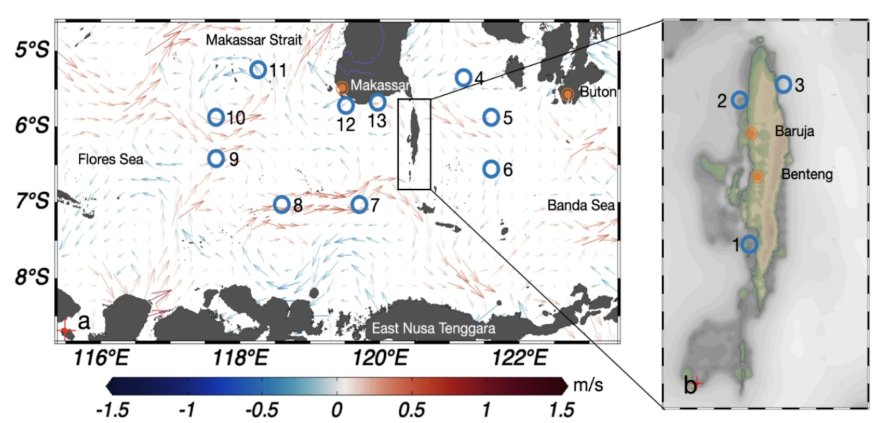
From Source to Shore: Tracing Marine Debris Pathways around Selayar Island
This study tracks how marine debris moves around the Selayar Islands by combining particle‑tracking models with on‑the‑ground surveys. The team released thousands of virtual “drifters” forced by observed winds and currents, then compared the simulated landfall patterns with standardized beach clean‑up and in‑situ observations. The approach helps separate what is locally generated from what is […]
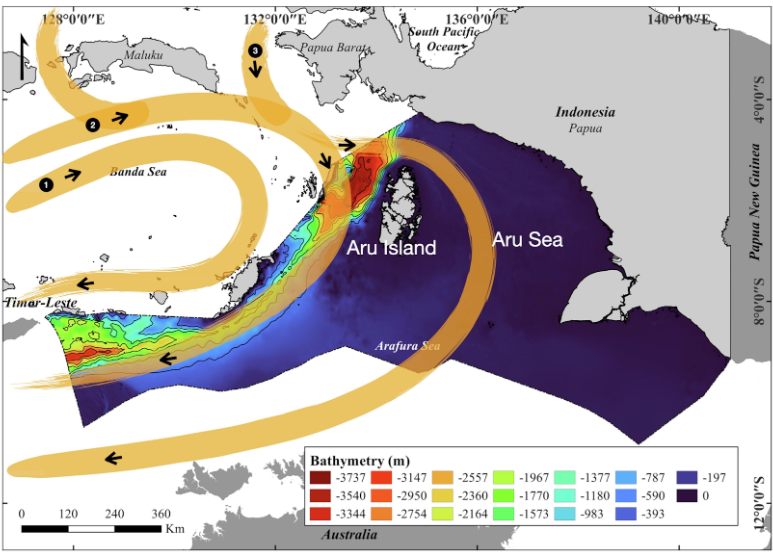
Tracking Fishing Hotspots in the Aru Sea: How Ocean Conditions Shape Local Fisheries
A research team examined how small-scale fishing unfolds in the Aru Sea (FMA 718) by combining in‑situ tracking of fishing trips with satellite‑derived oceanographic data—sea surface temperature, sea surface height, chlorophyll‑a, and currents. The goal was to better understand why fishing “hotspots” appear when and where they do, and how those patterns shift across monsoon […]
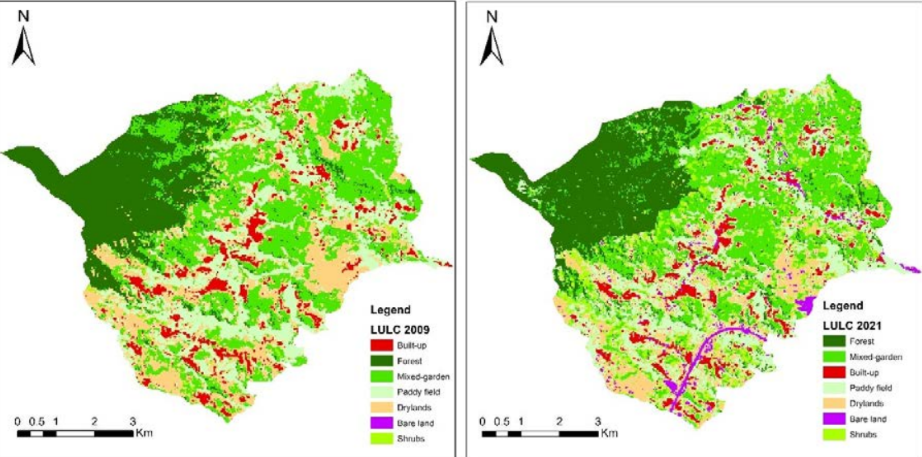
How Land Use Shapes Forest Carbon: Modeling Aboveground Stock Changes Across Regions
Primary SDG: SDG 13 – Climate Action Secondary SDGs: SDG 15 – Life on Land, SDG 11 – Sustainable Cities and Communities Forests play a critical role in regulating Earth’s climate by storing carbon in their biomass. However, this natural function is increasingly threatened by land use and land cover (LULC) changes driven by agriculture, […]
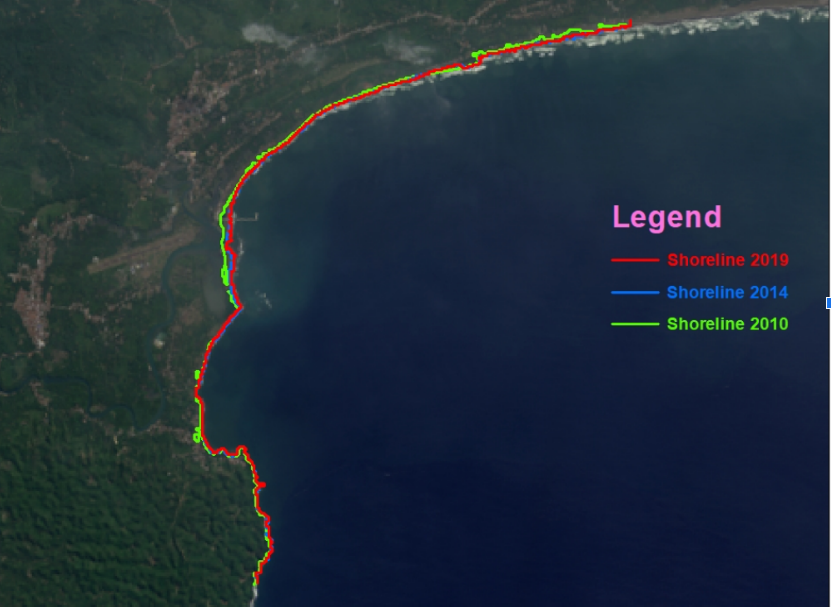
Tracking Coastal Change: Erosion at Batu Hiu and Accretion at Bojong Salawe in Pangandaran
Coastal zones are among the most dynamic and fragile environments on Earth, continuously shaped by waves, tides, currents, and human activity. In Indonesia, which has one of the longest coastlines in the world, shoreline change is a pressing issue that affects ecosystems, infrastructure, and communities. Pangandaran Regency in West Java is one such region, where […]
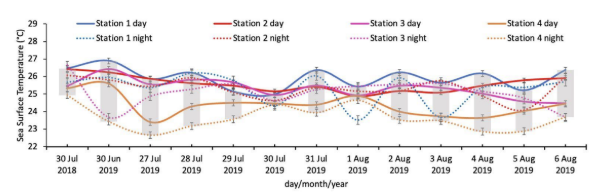
Monitoring Sea Surface Conditions in Pangandaran Coastal Waters
Researchers from Universitas Padjadjaran have analyzed the sea surface conditions in Pangandaran waters, focusing on chlorophyll-a concentrations, sea surface temperature, and the Indian Ocean Dipole (IOD) index. Using MODIS Aqua satellite data from August 2021 to July 2022, the study revealed that chlorophyll-a concentrations were higher during the east monsoon (May–October) compared to the west […]
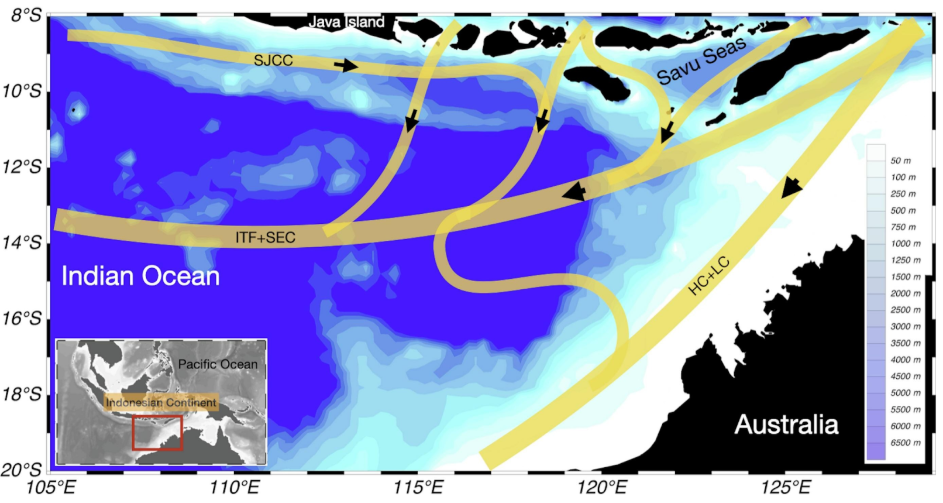
How La Niña Shapes Ocean Health: Insights from the Eastern Indian Ocean
This study focuses on how La Niña events impact the ocean’s biophysical conditions in the Eastern Indian Ocean, a region stretching from southern Java to northwestern Australia. This area is particularly important because it is influenced by the Indonesian Throughflow (ITF) and strong upwelling systems, which supply nutrients to marine ecosystems and sustain rich biodiversity. […]
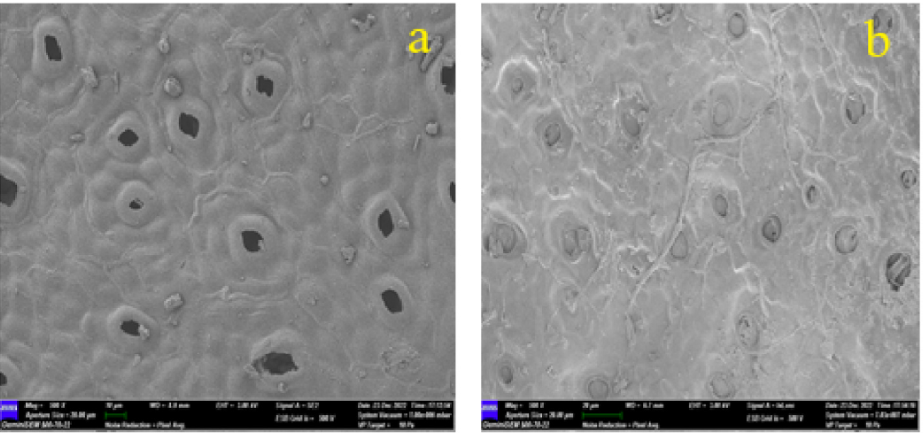
Researchers Transform Waste Leaves into Powerful Water Purifiers
A research team from Universiti Sultan Zainal Abidin (UniSZA), in collaboration with international partners, has successfully developed activated carbon from Melaleuca cajuputi leaves to remove harmful BTEX compounds (benzene, toluene, ethylbenzene, and xylene) from water. These volatile organic compounds are classified as priority pollutants due to their serious impacts on human health and ecosystems. By […]
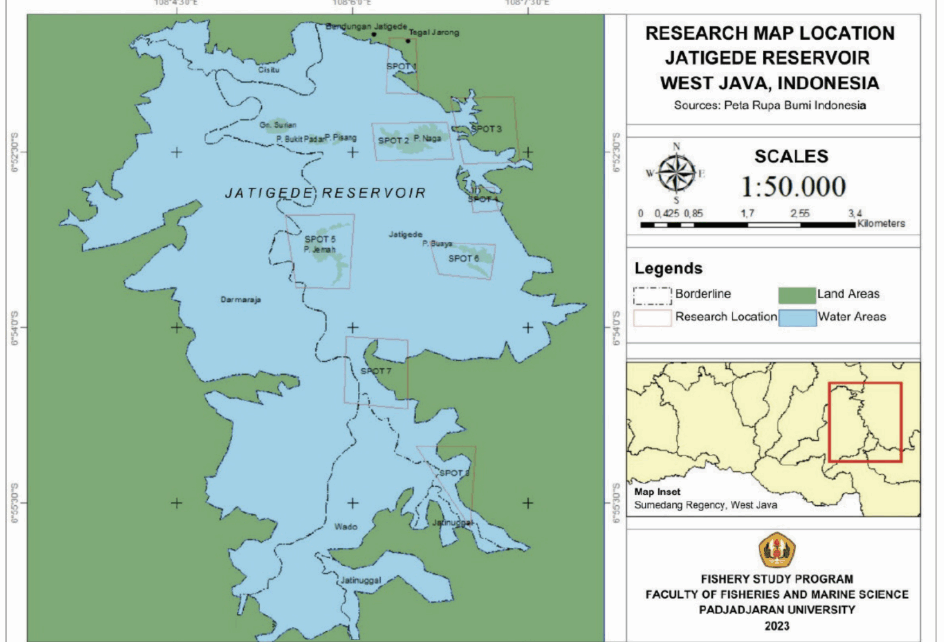
New Research: Unlocking the Ecotourism Potential of Jatigede Reservoir
Researchers from Universitas Padjadjaran, in collaboration with Universiti Malaysia Sabah, have published a study on the tourism suitability and carrying capacity of the Jatigede Reservoir in West Java. With its vast water body, rich fishery resources, and scenic natural landscapes, Jatigede shows great promise for Fisheries-based Ecotourism (FbE) development. The study reveals that boating activities […]
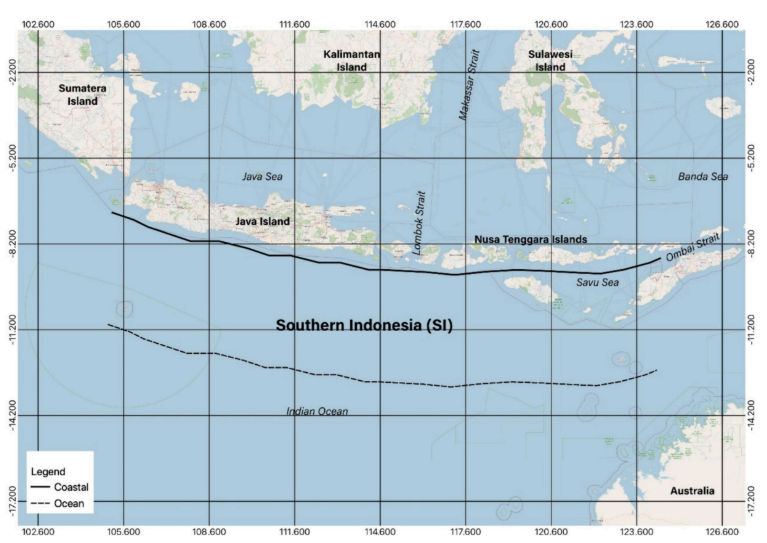
A Smarter Upwelling Index: New Clues to Indian Ocean Climate and Fisheries
Researchers propose and test a satellite‑based upwelling index for the Southeastern Indian Ocean, then explore how this index connects to large‑scale climate drivers—the Indian Ocean Dipole (IOD) and El Niño–Southern Oscillation (ENSO). Using multi‑year records of sea surface temperature (SST), chlorophyll‑a, and wind, the team constructs an index that better captures coastal upwelling intensity and […]
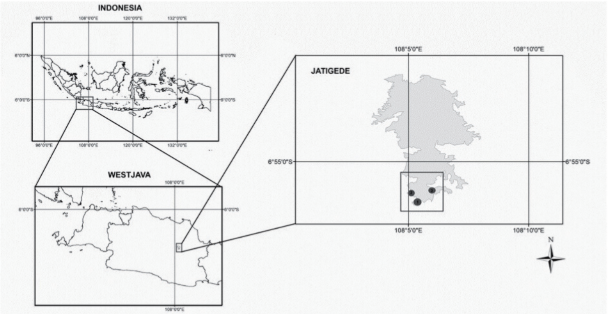
Waste Distribution in Jatigede Reservoir: An Urgent Environmental Challenge
A recent study conducted by Universitas Padjadjaran highlights the composition and distribution of waste in Jatigede Reservoir, Sumedang. The findings revealed that the majority of waste originated from the Cimanuk River inlet, with organic waste (34%) and plastic waste—particularly LDPE (23%) and polystyrene (17%)—dominating the reservoir. This waste accumulation not only degrades water quality but […]
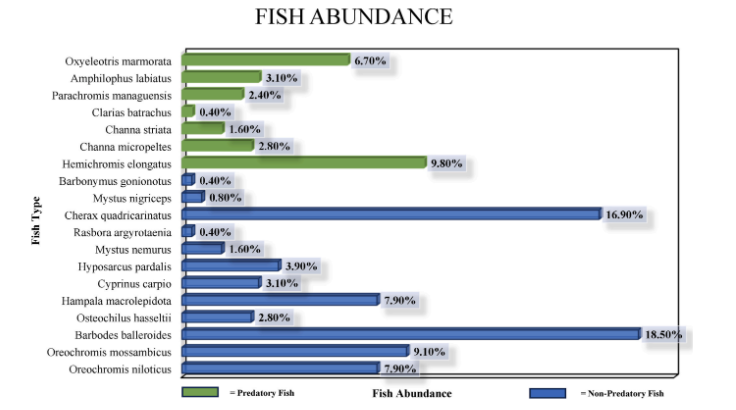
Sustaining Fisheries in Jatigede Reservoir: Balancing Provisioning Services and Human Pressure
A new study led by Universitas Padjadjaran has measured the fisheries provisioning services of Jatigede Reservoir, Sumedang, one of Indonesia’s newest multipurpose reservoirs. The findings show that the reservoir’s provisioning services scored 2.2 (moderate), meaning the fisheries sector is currently in a transitional state. While fish productivity remains good, indicators such as fish diversity and […]