
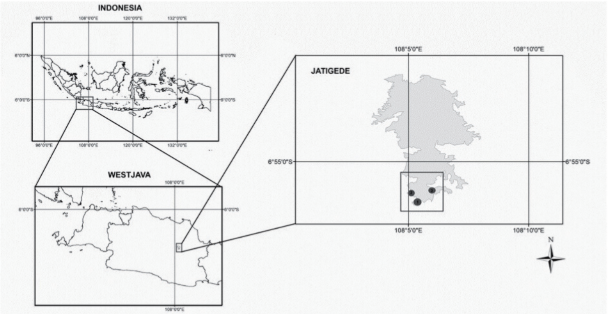


A recent study conducted by Universitas Padjadjaran highlights the composition and distribution of waste in Jatigede Reservoir, Sumedang. The findings revealed that the majority of waste originated from the Cimanuk River inlet, with organic waste (34%) and plastic waste—particularly LDPE (23%) and polystyrene (17%)—dominating the reservoir. This waste accumulation not only degrades water quality but also threatens aquaculture activities and the livelihoods of surrounding communities.
Researchers identified that the Wado area, which serves as the main entry point for waste, faces the heaviest pollution, with an estimated waste distribution covering more than 42 hectares. Waste sources were linked to household activities, floating net cages, and tourism. The study also warned of the long-term risks of microplastic formation, chemical leaching, and eutrophication, which could harm aquatic ecosystems and human health if not addressed.
This research emphasizes the need for an integrated waste management strategy and aligns with the UN Sustainable Development Goals (SDGs) 6: Clean Water and Sanitation, 11: Sustainable Cities and Communities, 14: Life Below Water, and 15: Life on Land. It provides crucial insights for local governments and stakeholders to strengthen waste reduction policies and promote community awareness on sustainable reservoir management.
Full article: https://www.pjoes.com/Composition-and-Distribution-nof-Waste-in-The-Jatigede-Reservoir,187066,0,2.html
Meet the Researchers:
This study was conducted by Fitri Nawang Wulan, Iskandar, Mochamad Candra Wirawan Arief, and Zahidah from the Faculty of Fisheries and Marine Science, Universitas Padjadjaran.
Hashtags:
#WasteManagement #ReservoirSustainability #SDG6 #SDG11 #SDG14 #SDG15 #UnpadResearch #Jatigede