Safeguarding Water Quality for Sustainable Capture Fisheries: Insights from the Jatigede Reservoir

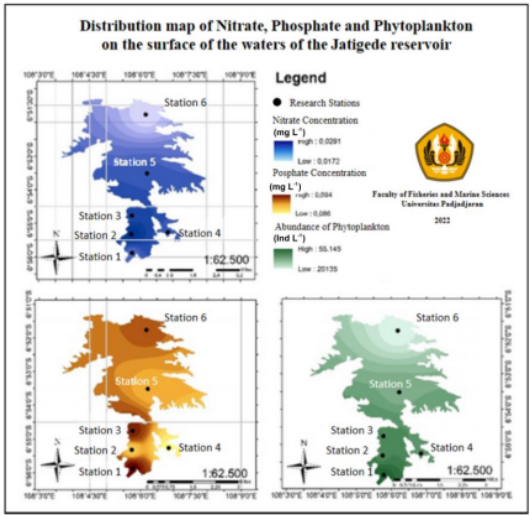
A recent study on the Jatigede Reservoir has provided crucial insights into the relationship between nutrient dynamics and aquatic productivity, highlighting its implications for sustainable capture fisheries and community livelihoods. The research focused on assessing nitrate and phosphate concentrations, as well as their correlation with phytoplankton abundance, which serves as a primary food source for […]
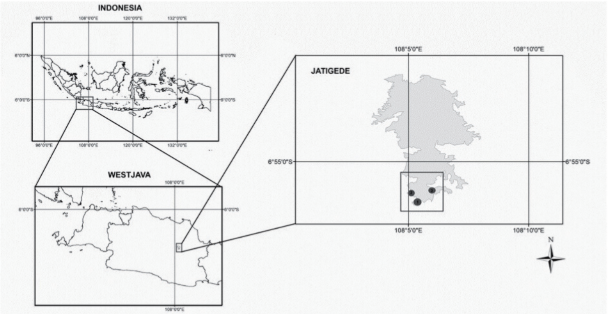
Waste Distribution in Jatigede Reservoir: An Urgent Environmental Challenge

A recent study conducted by Universitas Padjadjaran highlights the composition and distribution of waste in Jatigede Reservoir, Sumedang. The findings revealed that the majority of waste originated from the Cimanuk River inlet, with organic waste (34%) and plastic waste—particularly LDPE (23%) and polystyrene (17%)—dominating the reservoir. This waste accumulation not only degrades water quality but […]

Sustaining Fisheries in Jatigede Reservoir: Balancing Provisioning Services and Human Pressure

A new study led by Universitas Padjadjaran has measured the fisheries provisioning services of Jatigede Reservoir, Sumedang, one of Indonesia’s newest multipurpose reservoirs. The findings show that the reservoir’s provisioning services scored 2.2 (moderate), meaning the fisheries sector is currently in a transitional state. While fish productivity remains good, indicators such as fish diversity and […]

Lead Pollution Risks in Jakarta’s Angke Kapuk Mangrove Forest

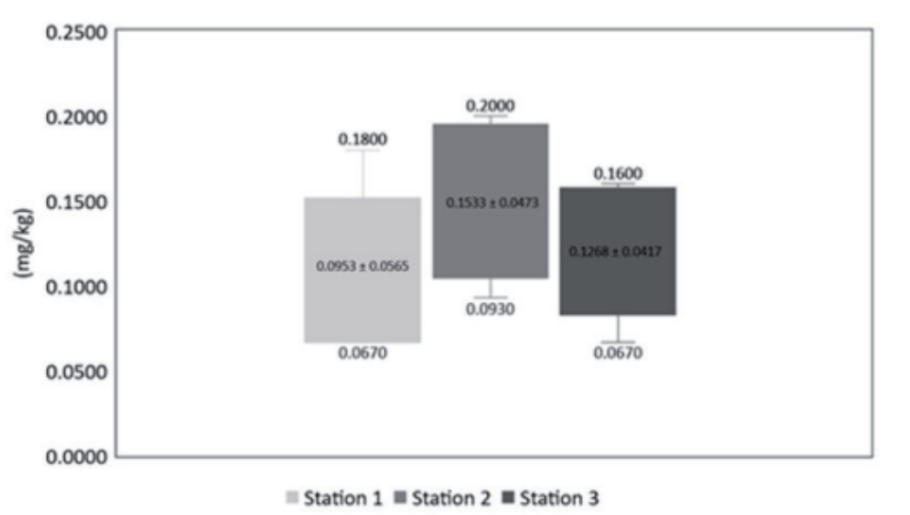
Mangrove ecosystems act as natural filters for coastal cities, yet their proximity to harbors and tourism can expose them to heavy‑metal pollution. This study measured lead (Pb) in water and sediments at three stations in the Angke Kapuk Protected Forest (AKPF), Jakarta Bay, and evaluated status against Indonesian water‑quality standards (Government Regulation No. 22/2021) and […]