
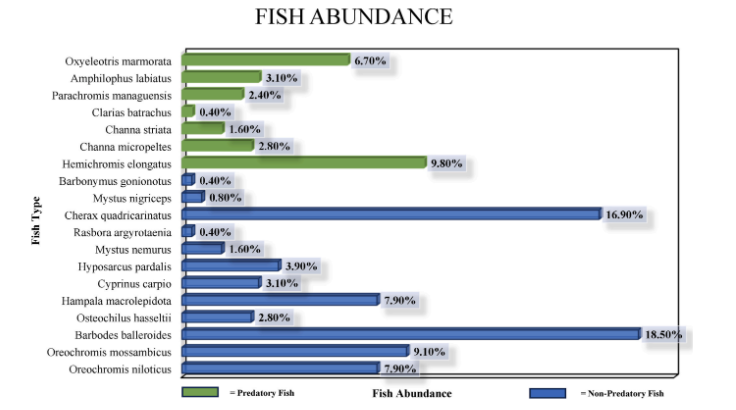


A new study led by Universitas Padjadjaran has measured the fisheries provisioning services of Jatigede Reservoir, Sumedang, one of Indonesia’s newest multipurpose reservoirs. The findings show that the reservoir’s provisioning services scored 2.2 (moderate), meaning the fisheries sector is currently in a transitional state. While fish productivity remains good, indicators such as fish diversity and abundance show concerning signs that may affect long-term sustainability.
Researchers identified significant anthropogenic pressures contributing to this status, including waste from floating net cages, river-borne trash, domestic sewage, and oil residues from boat activities. These pressures have pushed Jatigede’s waters into a moderate to heavily polluted category, threatening both aquatic ecosystems and community livelihoods dependent on fisheries.
This study underscores the urgency of sustainable management strategies to secure the reservoir’s future as a reliable source of food and income. It supports the UN Sustainable Development Goals (SDGs) 2: Zero Hunger, 6: Clean Water and Sanitation, 14: Life Below Water, and 15: Life on Land, by promoting evidence-based policies for balancing human needs with ecosystem resilience.
Meet the Researchers:
This study was conducted by Andi N.K.B.P. Iskandar, Zahidah, Iskandar, Dadan Sumiarsa, Opan S. Suwartapradja, Mohd Khairul Amri Kamarudin, and Sunardi from Universitas Padjadjaran and Universiti Sultan Zainal Abidin, Malaysia.
Hashtags:
#FisheriesSustainability #ReservoirManagement #SDG2 #SDG6 #SDG14 #SDG15 #UnpadResearch #Jatigede