
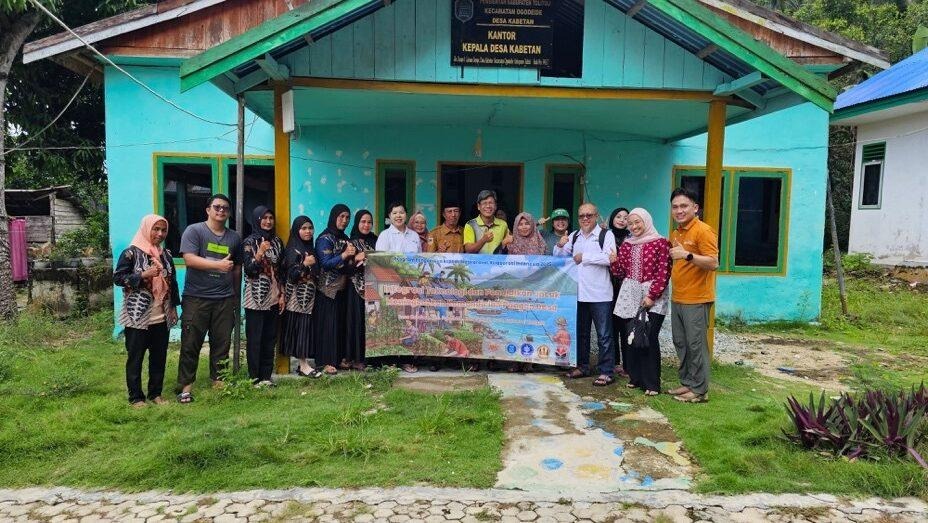
PMKI is a collaborative initiative among Indonesian State Universities with Legal Entity Status (PTNBH) aimed at addressing various challenges in Kabetan Village. The project is led by the Bandung Institute of Technology (ITB), with support from IPB University, Universitas Padjadjaran (Unpad), and Universitas Pendidikan Indonesia (UPI). Its main goals are to strengthen food security (SDG 2), improve the quality of education (SDG 4), ensure access to clean water, and promote the use of renewable energy (SDG 7) in the village.
Kabetan Village, located on an island, faces a number of significant challenges. Staple needs such as rice and vegetables must still be brought in from outside the island, the potential of local fisheries and coconut farming has not been optimally utilized, and access to clean water and electricity remains very limited. The village’s geography, split across three separate hamlets, Soppe, Butun, and Bumbung, also makes mobility, including access to schools and public facilities, a persistent challenge.
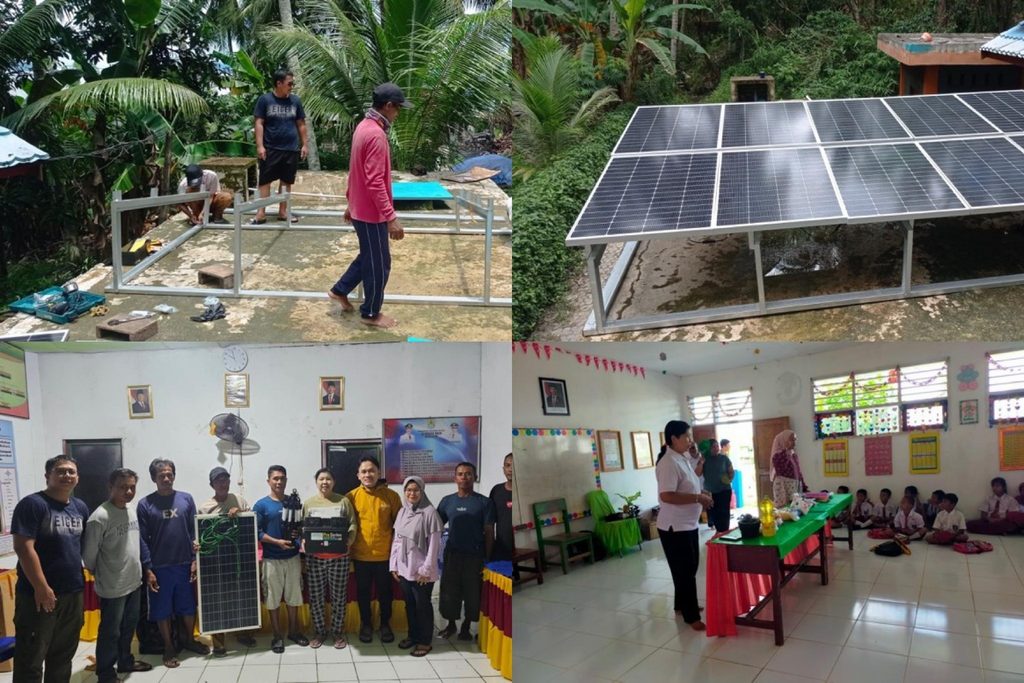
The PMKI team responded with a series of integrated programs. To address energy needs, the team installed solar panels and generators. In fisheries and food, they introduced portable fish aggregating devices (rumpon) and taught the community how to diversify processed fish products. To support food independence, the team also trained residents in home-yard farming and the production of liquid organic fertilizer. In education, the team contributed curriculum development innovations for elementary and secondary schools based on the village’s local potential.
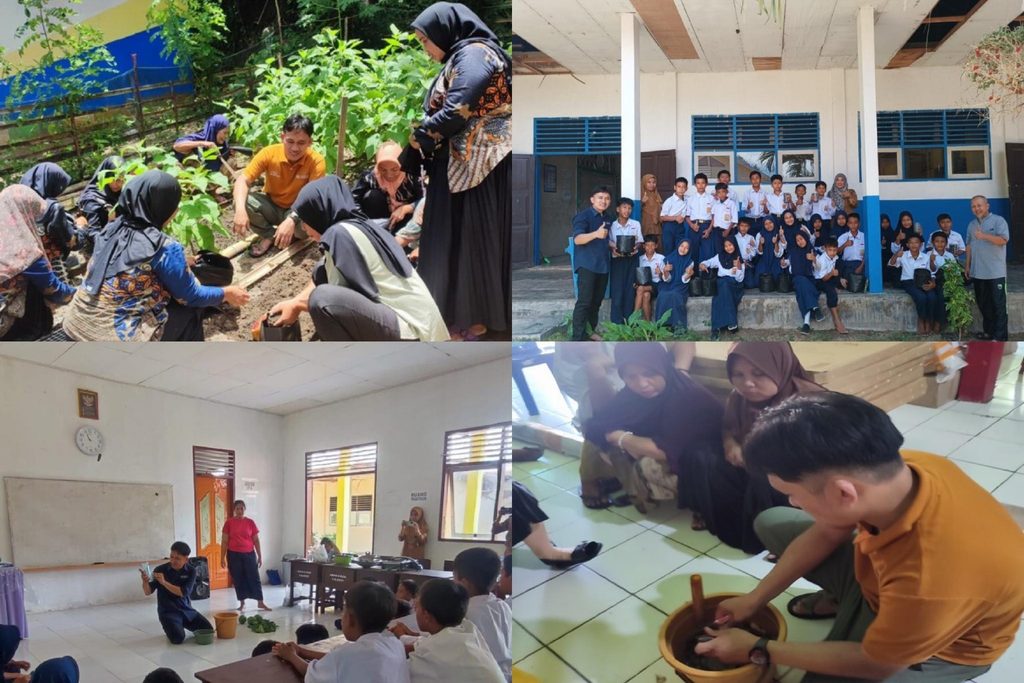
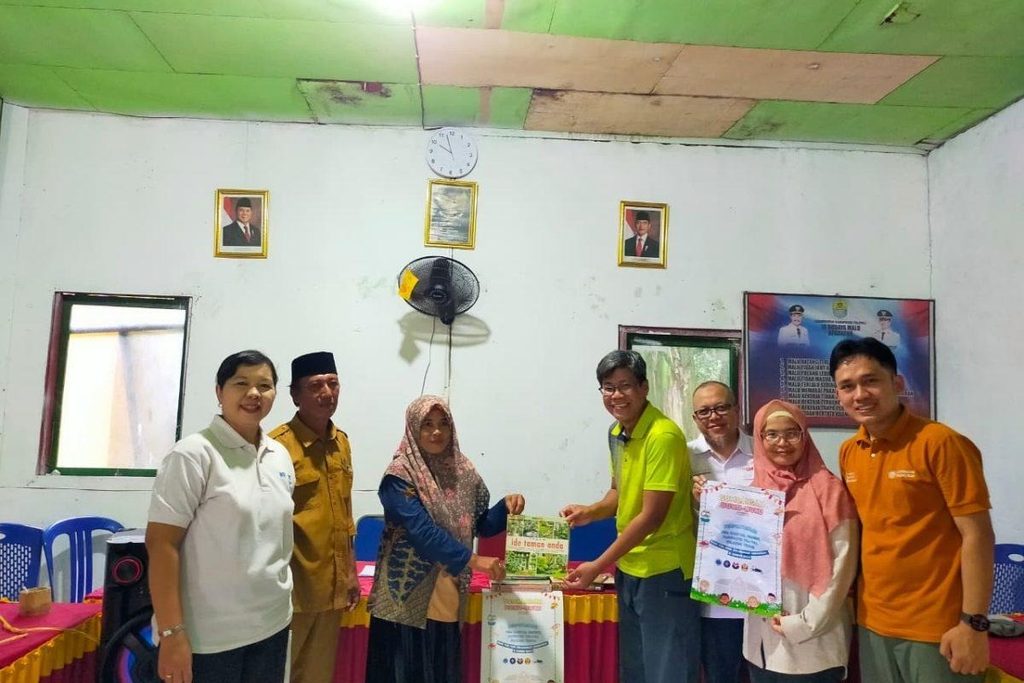
A key focus of Irfan Zidni’s contribution to the PMKI team was in education and literacy. Together with the team, he held discussions on the potential of marine aquaculture in Kabetan Village with the village head, provided training on growing vegetables in home yards and its potential integration with fisheries, and produced liquid organic fertilizer using fisheries and vegetable waste from the village. The activities targeted the community of Kabetan Village, junior high school students, and members of the PKK women’s group. Dr. Saleha Rodiah, meanwhile, installed educational posters as communication media and provided mentorship on managing school and village libraries, in addition to distributing donated books, including from Kargobaca.
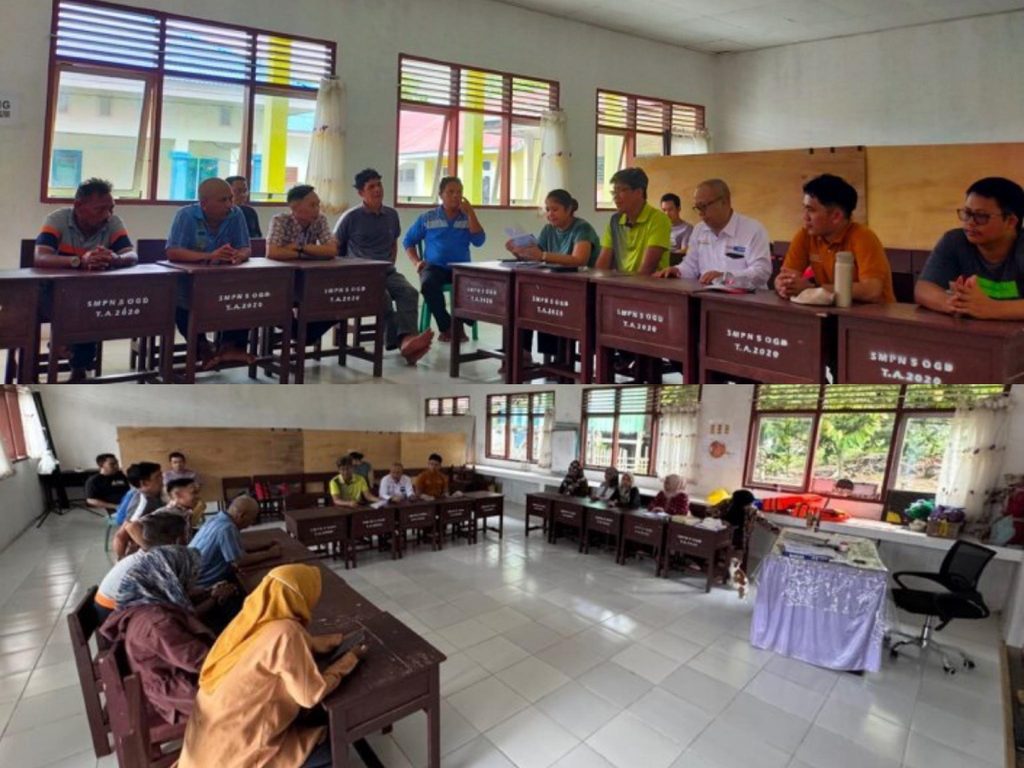
The success of the PMKI program demonstrates that multidisciplinary collaboration can provide holistic solutions to the challenges faced by communities in remote areas. Through the integration of technology and education, it is hoped that Kabetan Village’s independence, both in food and in access to information through visual education media, will continue to grow sustainably.