
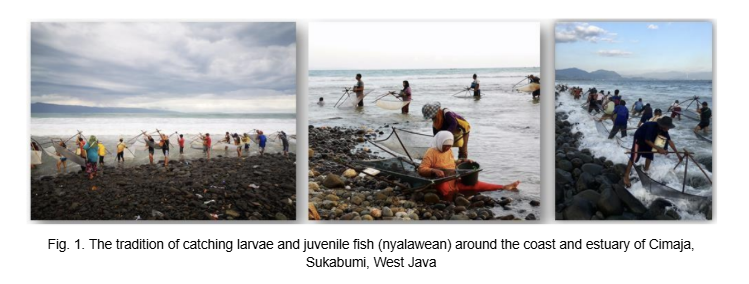


A new study published in the Egyptian Journal of Aquatic Biology & Fisheries (2025) examines the threats facing freshwater amphidromous goby fish in the Cimaja River–estuary, Sukabumi, Indonesia. These migratory fish, which move between freshwater and marine habitats, face both internal threats such as low egg survival and high larval mortality, and external threats from human activities like sand mining, pollution, and the traditional larval fishing practice known as nyalawean.
The study emphasizes the urgent need for integrated river management to protect goby populations and ensure their sustainability. Recommendations include stricter regulation of sand and rock mining, waste control, restrictions on larval harvesting, and public awareness campaigns. By combining ecological understanding with management strategies, this research contributes to protecting biodiversity and supports the United Nations Sustainable Development Goals (SDG 6 – Clean Water and Sanitation, SDG 13 – Climate Action, SDG 14 – Life Below Water, SDG 15 – Life on Land).
Meet the Researchers:
This study was conducted by Faqih Baihaqi, Shafira Bilqis Annida, Charles P.H. Simanjuntak, Sri Winda Amaliah, and Ahmad Romdon from Universitas Padjadjaran, IPB University, and the National Research and Innovation Agency (BRIN)Hashtags:
#AmphidromousFish #RiverConservation #GobyFish #SustainableFisheries #UnpadResearch #SDG6 #SDG13 #SDG14 #SDG15