


A research by Prof. Yudi Nurul Ihsan has unveiled new insights into the biology and reproductive patterns of the slipper lobster (Thenus orientalis), a highly valued crustacean species from the Scyllaridae family, collected from the West Coast of Sabah, Malaysia. With its growing potential as a candidate for aquaculture, understanding the biological aspects of this species is crucial to ensuring sustainable fisheries and reducing the risks of overexploitation.
The research analyzed 922 specimens over a 10-month period (April 2019 – January 2020), focusing on sex composition, size distribution, and reproductive biology. Findings showed a nearly balanced overall sex ratio of 1:0.95 (male to female), with males more abundant in smaller size classes and females dominating larger size classes. The average carapace length recorded was 64.14 mm.
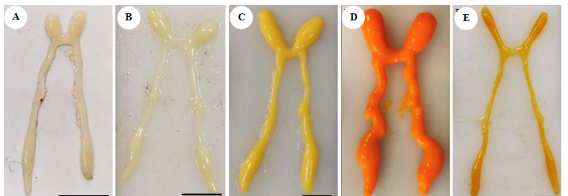
Detailed observations of female reproductive biology revealed five stages of ovarian maturation—from immature to spent—correlated with changes in the Gonadosomatic Index (GSI), which ranged from 0.1256 (immature) to 2.8942 (mature). Notably, the spawning season of T. orientalis was identified between October and May, peaking in January with a smaller secondary peak in May. Female slipper lobsters were found to reach sexual maturity (SMy-50) at approximately 51.9 mm carapace length (Fig 1).
These findings provide valuable implications for aquaculture development, particularly in enhancing breeding programs and hatchery productivity. Furthermore, the data contribute to ecological studies, offering insights into population resilience and the impact of environmental factors on reproduction.
Researchers emphasize that documenting the reproductive cycle of T. orientalis is a key step toward establishing sustainable aquaculture practices and ensuring the long-term viability of this commercially important species in Malaysia and beyond. This research is closely tied to the global Sustainable Development Goals (SDGs). By providing scientific data for sustainable aquaculture, it directly supports SDG 14: Life Below Water, which focuses on conserving marine resources and ensuring the sustainability of fisheries. At the same time, by strengthening aquaculture practices as a reliable food source, the study contributes to SDG 2: Zero Hunger, ensuring food security through sustainable seafood production. Moreover, by promoting ecosystem-based management and responsible exploitation of marine species, the research also reflects the principles of SDG 12: Responsible Consumption and Production, ensuring that economic growth in fisheries does not come at the expense of environmental sustainability.
Inventor: Prof. Yudi Nurul Ihsan
#SlipperLobster #SustainableFisheries #AquacultureDevelopment #MarineScience #ZeroHunger #LifeBelowWater #ResponsibleProduction #BlueEconomy #SabahWaters #BiodiversityConservation