
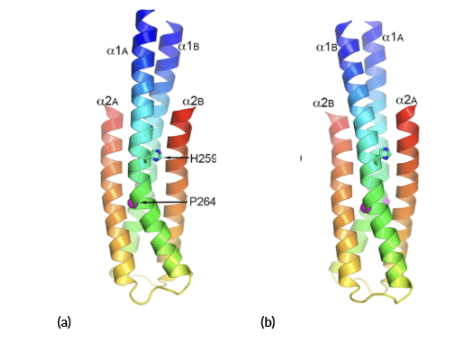


A research collaboration led by Institut Teknologi Bandung with contributions from Universitas Padjadjaran’s Faculty of Fisheries and Marine Sciences (represented by Dr. Eri Bachtiar) has successfully developed a dimer-based screening system (DBSS) to target Mycobacterium tuberculosis’s PhoR sensor kinase. This innovation opens a promising path toward the discovery of novel anti-tuberculosis (TB) drugs, especially in light of the urgent global challenge of drug-resistant TB. The DBSS allows safe and rapid compound screening using Escherichia coli, bypassing the biosafety challenges of working directly with pathogenic TB bacteria.
The study demonstrates how disrupting PhoR-PhoP protein interactions can significantly reduce the virulence of M. tuberculosis, making it more susceptible to the human immune system. Among the tested compounds, a cinnamic acid derivative from black cumin showed the most potential in inhibiting PhoR dimerization, marking an important step toward the development of new TB treatment strategies. This aligns with the global call for innovative solutions beyond conventional antibiotics, helping to reduce mortality and resistance in TB-endemic regions such as Indonesia.
This work directly supports the United Nations Sustainable Development Goals (SDGs), particularly SDG 3 (Good Health and Well-being) and SDG 9 (Industry, Innovation, and Infrastructure). The research team also envisions future applications of DBSS in other disease models and synthetic biology.
Read the full paper here: Indonesian Journal of Biotechnology – DOI: 10.22146/ijbiotech.89602
Meet the Researchers: Stay tuned as we highlight the brilliant minds behind this study, including Dr. Eri Bachtiar, whose expertise in natural compound exploration contributed to this breakthrough.
_____
Hashtags
#Tuberculosis #DrugDiscovery #Innovation #PhoR #MolecularBiology #SDG3 #SDG9 #ResearchCollaboration