
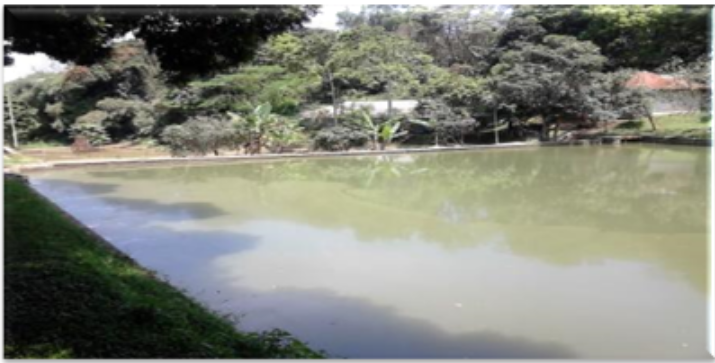


Jatinangor 13/09/2024 – Universitas Padjadjaran’s Faculty of Fisheries and Marine Sciences (FPIK) is stepping up its commitment to aquaculture education, research, and community service through its Kawasan Perikanan Darat (Inland Fisheries Zone) in Ciparanje. Since its inception in 1996, the facility has evolved into a multifaceted hub, integrating breeding, maintenance, aquaponics, and controlled-environment research.
A History of Growth & Innovation
- 1996: The Ciparanje experimental ponds were established by Bapa Iyay Suhaya (alm.), marking the beginning of a zone dedicated to education, research, and community engagement in freshwater aquaculture. These ponds serve as Laboratorium Terbuka Category III, supporting open-system production of fish and other freshwater organisms.
- 1998: A wet laboratory (hatchery) was added to increase capacity for controlled breeding and rearing activities. This facility, classified as Laboratorium Basah (Hatchery) Category II, supports the early stages of fish production under more regulated conditions.
- 2016: The installation of a Greenhouse facility marked the zone’s adoption of aquaponic technologies—blending aquaculture with plant cultivation—thus providing more integrated and sustainable systems for teaching, research, and extension services.
Vision & Mission
The Kawasan Perikanan Darat Ciparanje has set forth a strategic vision to become “a center for development of aquaculture technology and fish breeding in Indonesia by 2025.”
Its mission includes:
- Facilitating aquaculture activities,
- Enhancing technical skills through practicum,
- Supporting research and community service in freshwater aquaculture.
Facilities & Activities
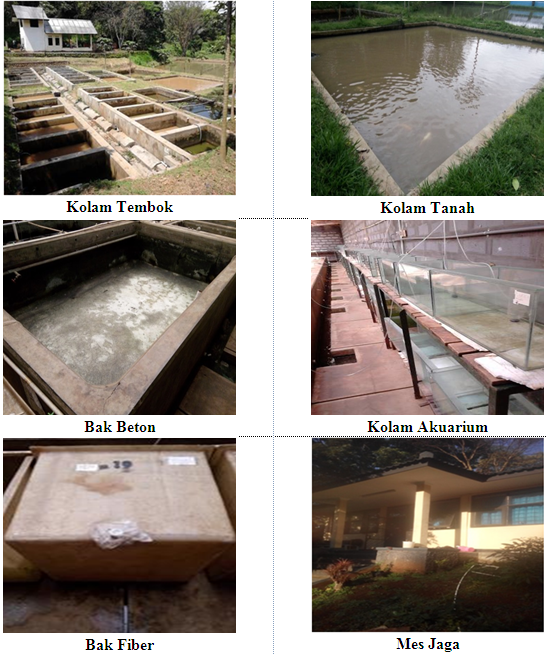
- Education of students in fisheries science,
- Scientific research in fish breeding, aquatic organism cultivation, and system technologies,
- Community engagement and service via technology transfer and applied aquaculture practices.
Significance
The Ciparanje zone plays several important roles:
- Training next-generation aquaculture professionals
By giving students hands-on access to open and controlled aquatic systems, Unpad equips them with practical and theoretical knowledge relevant to Indonesia’s growing aquaculture sector.
- Advancing sustainable technologies
The adoption of aquaponics reflects global trends toward more sustainable and resource-efficient methods.
- Supporting national food security and biodiversity
Freshwater aquaculture contributes to diversified fish supply and less pressure on wild fisheries.