
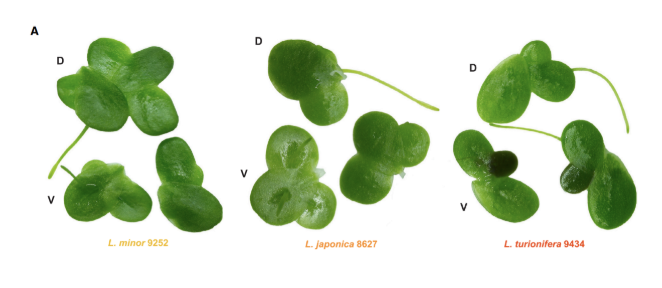





A groundbreaking study published in Nature Communications (2025) provides a comprehensive analysis of duckweed genomes and microbiomes, offering new insights into the plant–microbe interactions that support its rapid growth and environmental adaptability. Duckweed, one of the world’s fastest-growing plants, holds promise as a sustainable resource for food, feed, bioenergy, and wastewater treatment. By mapping its genetic and microbial diversity, the study opens doors for innovations in biotechnology and climate-smart agriculture .
The findings highlight how duckweed can contribute to nutrient recycling, water purification, and low-carbon food production, strengthening its role in addressing global sustainability challenges. This research aligns with the United Nations Sustainable Development Goals (SDG 2 – Zero Hunger, SDG 6 – Clean Water and Sanitation, SDG 7 – Affordable and Clean Energy, SDG 12 – Responsible Consumption and Production, SDG 13 – Climate Action, SDG 15 – Life on Land).
Full article: https://doi.org/10.1016/j.cub.2025.03.013
Meet the Researchers:
This study was conducted by an international consortium of scientists, including contributions from Universitas Padjadjaran (Buntora Pasaribu) alongside global partners, showcasing the university’s active role in advancing research on sustainable plant-based solutions .Hashtags:
#DuckweedResearch #SustainableBiotechnology #ClimateAction #GreenInnovation #UnpadResearch #SDG2 #SDG6 #SDG7 #SDG12 #SDG13 #SDG15