
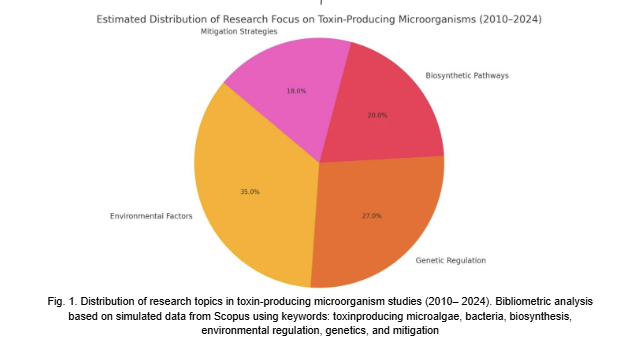



A new study published in Egyptian Journal of Aquatic Biology & Fisheries (2025) reviews the challenges and scientific advances in understanding toxin-producing microorganisms in aquatic ecosystems. These harmful microorganisms—including toxin-producing bacteria, algae, and fungi—pose threats to aquatic biodiversity, human health, and food security. The paper highlights that while rapid advances in molecular biology and biotechnology have improved detection methods, prevention and mitigation strategies remain limited, requiring stronger collaboration between science, policy, and community stakeholders.
The study emphasizes that effective management of toxin-producing microorganisms must integrate early detection technologies, ecosystem monitoring, and public awareness. Addressing this issue is not only vital for environmental sustainability but also for maintaining safe aquaculture and fisheries production. By bridging scientific innovation and practical application, this research provides important insights for ensuring ecosystem resilience and public health protection.
This research contributes to the achievement of United Nations Sustainable Development Goals (SDG 3 – Good Health and Well-being, SDG 6 – Clean Water and Sanitation, SDG 14 – Life Below Water, and SDG 15 – Life on Land).
Full article: Challenges and Advances in Understanding Toxin-Producing Microorganisms in Aquatic Ecosystems
Meet the Researchers
This study was conducted by Santi Rukminita Anggraeni, Qurnia Wulan Sari, and Neng Tanty Sofyana (Marine Department, Faculty of Fisheries and Marine Sciences, Universitas Padjadjaran) together with Sri Agung Fitri Kusuma (Department of Biology Pharmacy, Faculty of Pharmacy, Universitas Padjadjaran).
Hashtags
#AquaticHealth #Microorganisms #WaterQuality #FisheriesSafety #UnpadResearch #SDG3 #SDG6 #SDG14 #SDG15