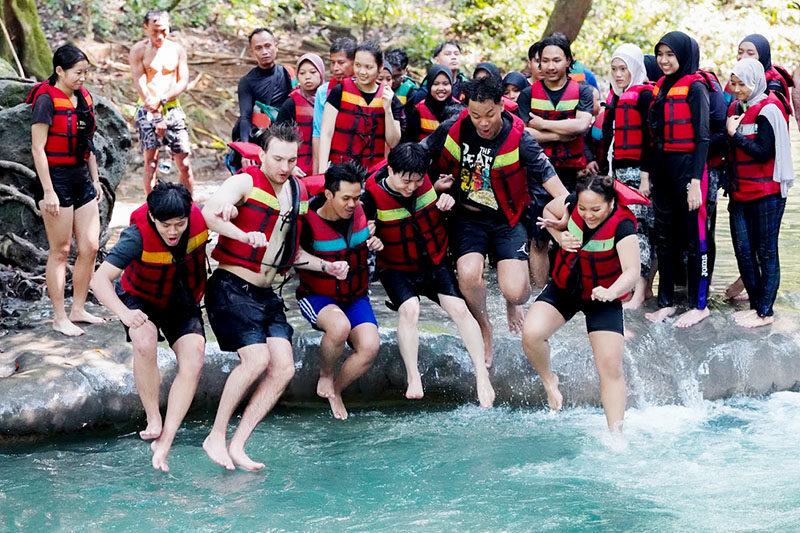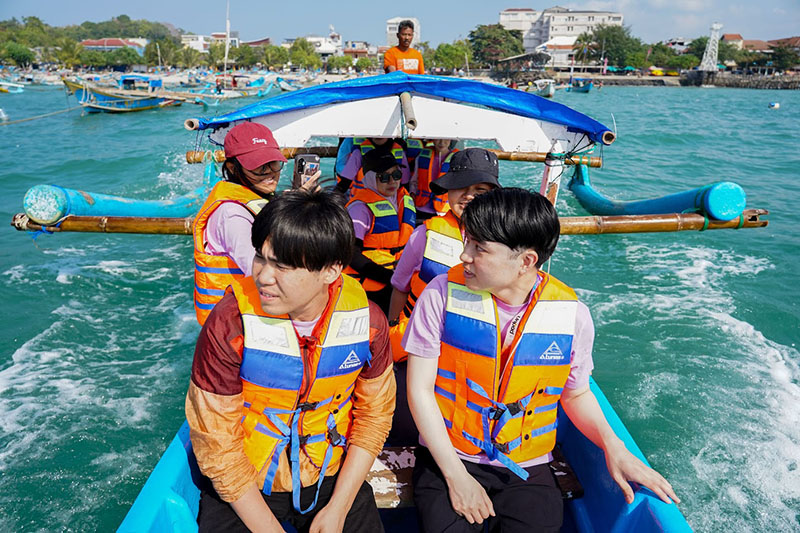


Jatinangor, 28 July 2026 — As part of Universitas Padjadjaran International Summer Program: SAFARI 2026 (Sustainable Agriculture, Food, Aquaculture, Resource Integration), Universitas Padjadjaran organized a series of experiential learning activities in Pangandaran from 12–14 July 2026. SAFARI 2026 is an interdisciplinary international summer program hosted by Universitas Padjadjaran and collaboratively organized by the Faculty of Fisheries and Marine Sciences (FPIK), Faculty of Agriculture (Faperta), Faculty of Animal Husbandry (Fapet), and Faculty of Agricultural Industrial Technology (FTIP) under the coordination of the International Office Universitas Padjadjaran. Designed to promote interdisciplinary learning, international collaboration, and practical understanding of sustainable food systems, the program integrates agriculture, fisheries, aquaculture, food technology, livestock, and environmental resource management through lectures, laboratory activities, industrial visits, field experiences, community engagement, and cultural immersion.
As one of the flagship experiential learning components of SAFARI 2026, the Pangandaran Field Trip combined environmental education with hands-on conservation activities through beach exploration, floating net cage aquaculture experiences, and a coastal clean-up initiative. Bringing together participants from diverse countries and academic backgrounds, the program provided valuable opportunities to bridge theoretical knowledge with real-world applications while fostering intercultural collaboration, environmental responsibility, and a deeper appreciation of sustainable coastal resource management.
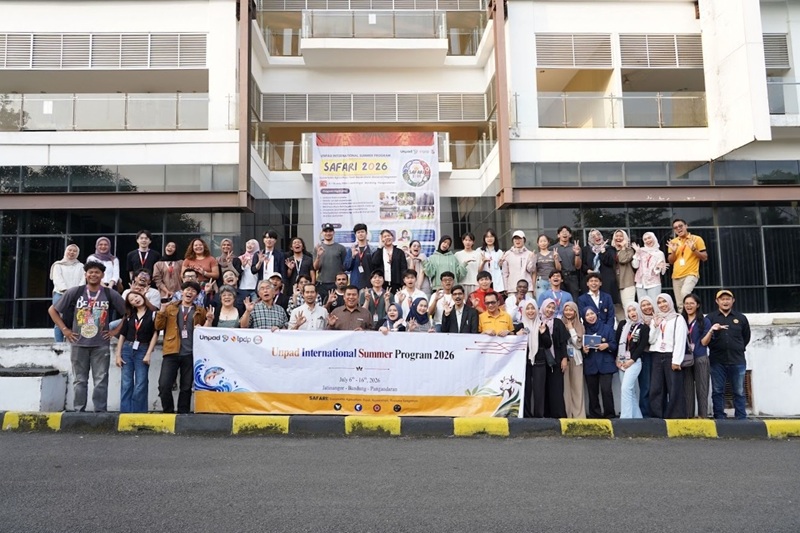
The field activities commenced on 12 July 2026, when participants traveled from Jatinangor to Pangandaran. Upon arrival at the Pangandaran Campus, the program officially opened with welcoming remarks from representatives of Director of the Pangandaran Campus, Prof. Alexander M.A. Khan. Participants then joined a Beach Exploration session at Pangandaran Beach, where they observed coastal ecosystems, examined shoreline characteristics, and discussed the ecological functions of coastal habitats. Through direct field observations and scientific discussions, participants gained a comprehensive understanding of the interactions between marine biodiversity, coastal dynamics, and human activities, reinforcing the importance of sustainable coastal management and ecosystem conservation.
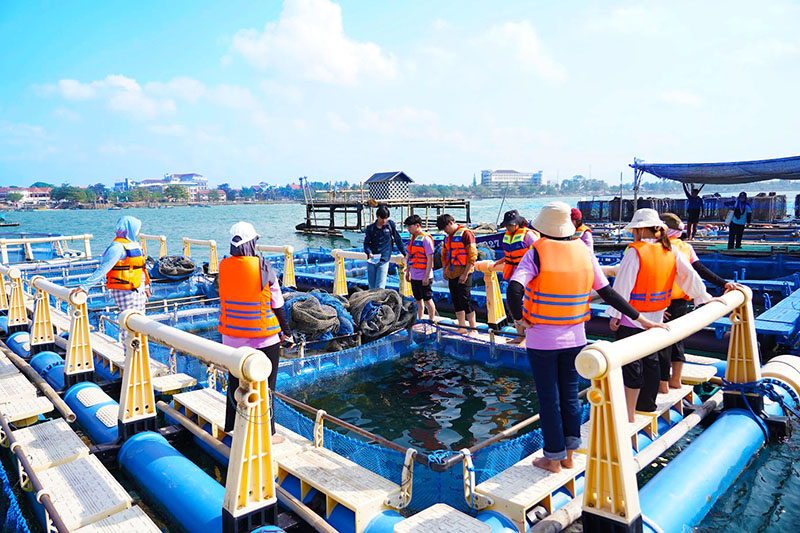
On 13 July 2026, participants took part in the Floating Net Cage Aquaculture Experience and Coastal Clean-up, a field-based learning session lasting approximately 3.5 hours. During the activity, participants learned about sustainable floating net cage aquaculture practices, interacted directly with local coastal communities, participated in fish farming activities, and explored how environmentally responsible aquaculture contributes to food security, resilient livelihoods, and sustainable coastal development. The experience demonstrated the importance of integrating scientific knowledge, local wisdom, and community participation in supporting sustainable food systems while preserving coastal ecosystems.
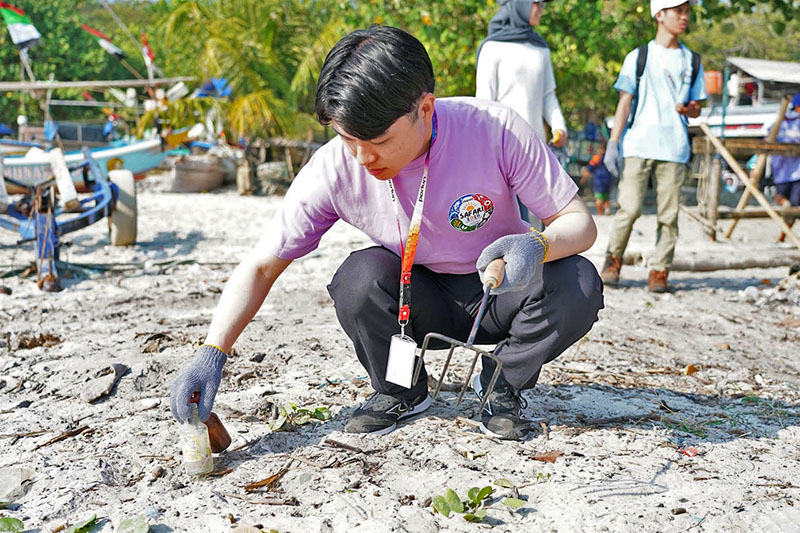
One of the highlights of the field trip was the Coastal Clean-up activity conducted along Pangandaran Beach. Working collaboratively, participants successfully collected, sorted, and documented approximately 44 kilograms of marine debris from the coastal environment. The collected debris was predominantly composed of organic waste and plastic waste, accompanied by glass fragments, beverage cans, plastic bottles, hazardous waste (B3) such as used batteries and disinfectant containers, as well as mixed waste including textiles and construction material residues. The waste characterization process provided participants with practical experience in identifying different categories of marine debris while generating valuable insights into the composition of waste commonly found along the Pangandaran coastline.
The findings highlighted the continuing impact of land-based human activities on coastal ecosystems and emphasized the urgent need for responsible waste management and stronger environmental awareness. Beyond improving the cleanliness of the beach, the activity encouraged participants to reflect on the importance of reducing single-use plastics, practicing proper waste segregation, and strengthening community participation in preventing marine debris from entering the ocean. Through direct involvement in collecting and classifying marine litter, participants also gained a deeper understanding of the environmental risks posed by plastic pollution, hazardous waste, and other anthropogenic materials that threaten marine biodiversity, coastal habitats, and human well-being.