
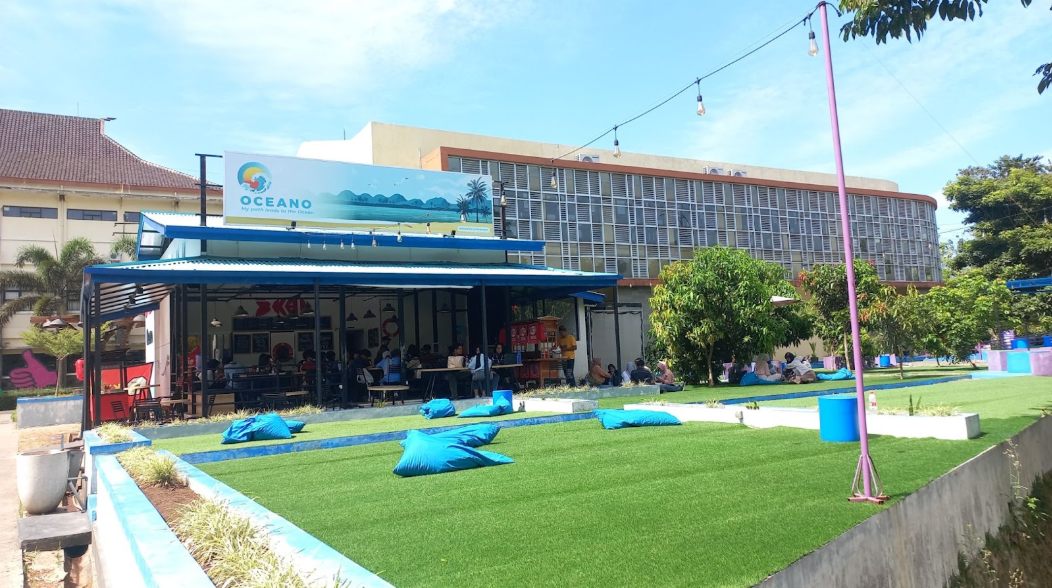


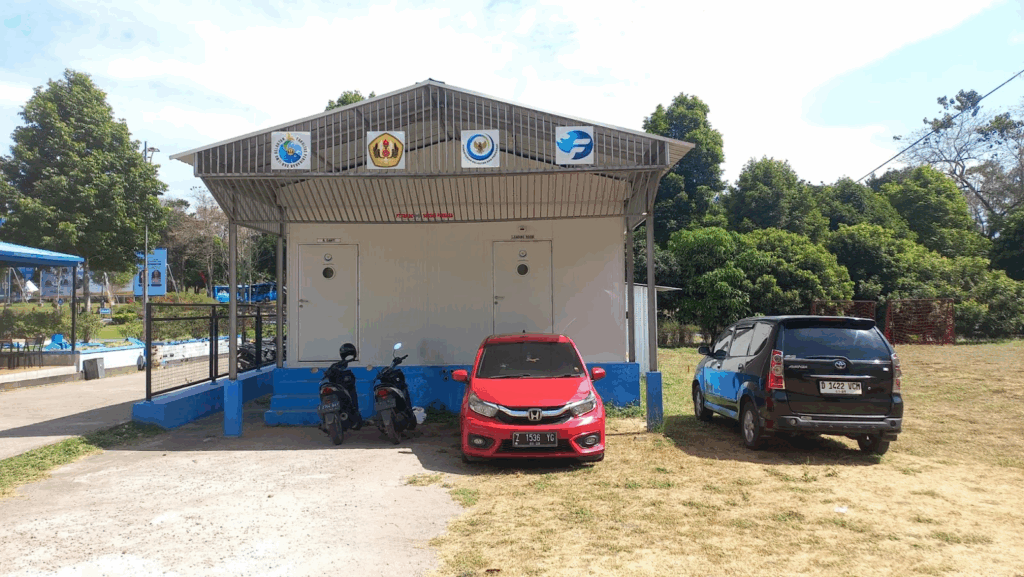
The faculty of Fisheries and Marine Sciences (FPIK), Universitas Padjadjaran (Unpad), has developed an innovative way to manage fishery products by utilizing lobster harvests from floating net cages in Pangandaran. The harvested lobsters are kept in FPIK’s cold storage facility before being distributed, including to Oceano Canteen at the FPIK campus.
Sustainable Lobster Cultivation
The Pangandaran floating net cages are a flagship program designed to promote sustainable aquaculture. Lobsters are raised under strict monitoring to maintain their quality and health before being harvested and transferred into cold storage.
Role of Cold Storage
Cold storage plays a key role in preserving seafood freshness and quality. By temporarily holding harvested products, it ensures the raw materials remain in prime condition until ready for consumption.
Supplying Oceano Canteen
Through this system, Oceano Canteen receives fresh fish and lobster directly from the faculty’s storage facility. As a result, the canteen can serve high-quality seafood dishes to students, staff, and visitors while supporting sustainable sourcing.
Commitment to Sustainability and Education
This initiative reflects FPIK Unpad’s commitment to combining environmental sustainability with education. By involving students in every stage of aquaculture production, storage, and distribution, the faculty delivers hands-on learning while promoting sustainable fisheries.
The model showcases how higher education can contribute to resource management, serving as an example for other faculties and universities across Indonesia. It highlights the positive outcomes of integrating education, research, and community service with environmental stewardship.