
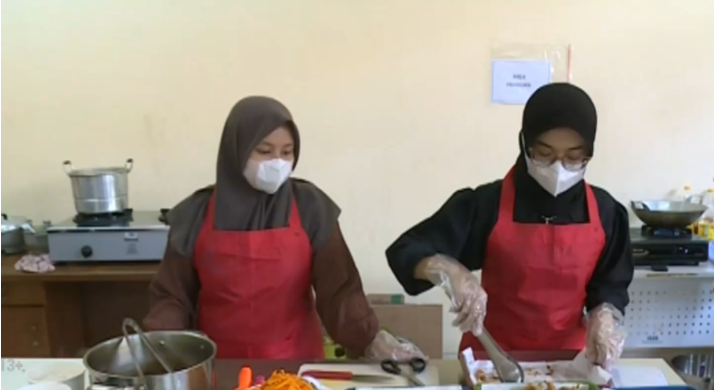








Jatinangor – Lectures, students, and alumni of Universitas Padjadjaran’s Faculty of Fisheries and Marine Sciences (FPIK) have launched Masterfish, a student-driven frozen fish product brand under UKMF Fortifikasi. More than just a business, this initiative reflects a commitment to sustainability and directly aligns with the United Nations Sustainable Development Goals (SDGs 1-17).
The name “Masterfish” was chosen at the request of a faculty lecturer who wanted the brand to contain an element related to fish. The word “Master” was added with the hope that Masterfish would grow into a leading brand in the field of processed fish products.
Established in 2022 and still actively running today, Masterfish operates from Monday to Thursday, between 9:00 AM and 4:00 PM (WIB). However, outside these hours, products can still be purchased by contacting the Masterfish Person in Charge (PIC). Their products are sold at the Faculty of Fisheries and Marine Sciences building as well as through several online marketplaces. This content was originally published on Kompasiana.com under the title “Mengenal Masterfish, Unit Usaha Frozen Food Mahasiswa FPIK Unpad”
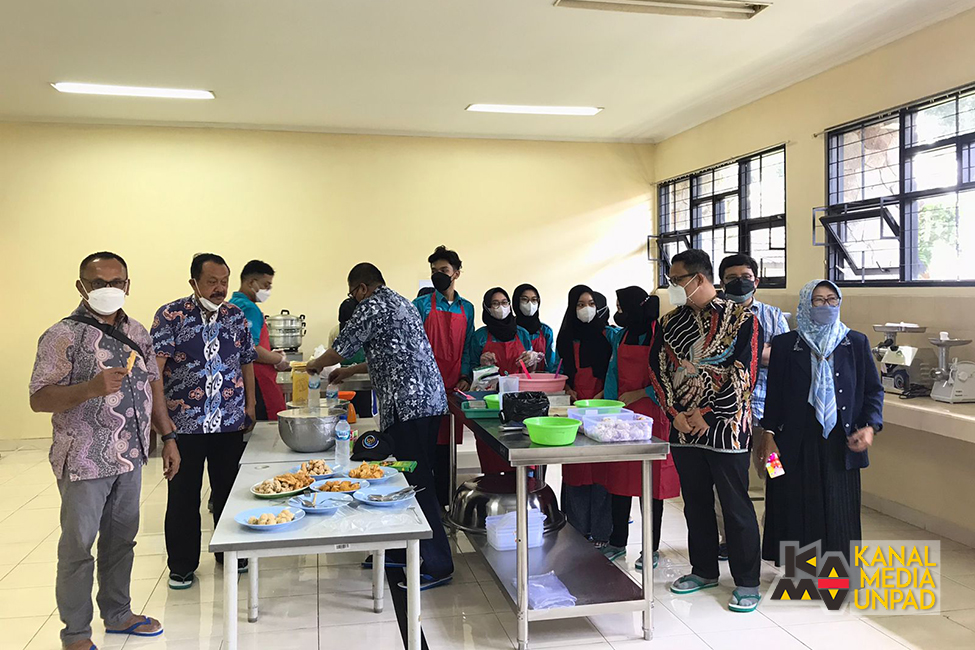
Empowering Communities and Combating Hunger (SDGs 1 & 2) by creating affordable fish-based products, Masterfish contributes to poverty alleviation (SDG 1) by generating income opportunities for students and alumni. At the same time, it enhances food security and nutrition (SDG 2) by promoting accessible, protein-rich seafood for the community.
Promoting Health, Education, and Equality (SDGs 3–5)
The products provide healthier alternatives to highly processed foods, aligning with good health and well-being (SDG 3). The initiative also acts as a learning platform (SDG 4) for students to apply classroom knowledge in real-world contexts. Moreover, the program is led inclusively, ensuring equal opportunities (SDG 5) for both male and female students in entrepreneurship and leadership roles.
Clean Water, Affordable Energy, and Economic Growth (SDGs 6–8)
As a fisheries-based initiative, Masterfish emphasizes responsible sourcing of fish, indirectly promoting clean water and sanitation (SDG 6) by encouraging sustainable aquatic resource use. Production processes are mindful of energy use, supporting the call for affordable and clean energy (SDG 7). Furthermore, with its growing sales and entrepreneurial impact, Masterfish contributes to decent work and economic growth (SDG 8).
Innovation, Reduced Inequalities, and Sustainable Cities (SDGs 9–11)
Masterfish showcases innovation and industry development (SDG 9) through creative product diversification and student-alumni collaboration. Its affordable pricing reduces access barriers to nutritious foods, thus tackling inequalities (SDG 10). By promoting small-scale, community-based businesses, it strengthens the foundation for sustainable cities and communities (SDG 11).
Sustainable Consumption, Climate Action, and Marine Conservation (SDGs 12–14)
The brand emphasizes responsible consumption and production (SDG 12) by maximizing local fish resources and minimizing waste. Through awareness of environmental impacts, Masterfish indirectly supports climate action (SDG 13). Most importantly, as a fisheries initiative, it directly reinforces life below water (SDG 14) by showcasing the economic value of sustainably managed fish stocks.
Protecting Ecosystems, Peace, and Partnerships (SDGs 15–17)
Masterfish’s emphasis on sustainable fisheries also complements the protection of terrestrial ecosystems (SDG 15), as responsible aquaculture reduces land-based environmental pressures. It fosters a culture of cooperation, responsibility, and ethical entrepreneurship, supporting peace, justice, and strong institutions (SDG 16). Finally, its collaboration between students, faculty, and alumni embodies partnerships for the goals (SDG 17)—demonstrating how academic institutions can partner with communities to advance sustainable development.
Through Masterfish, FPIK Unpad students prove that innovation in food products can go beyond business—it can serve as a holistic model of how higher education, entrepreneurship, and sustainability converge to achieve the 2030 Agenda for Sustainable Development.