
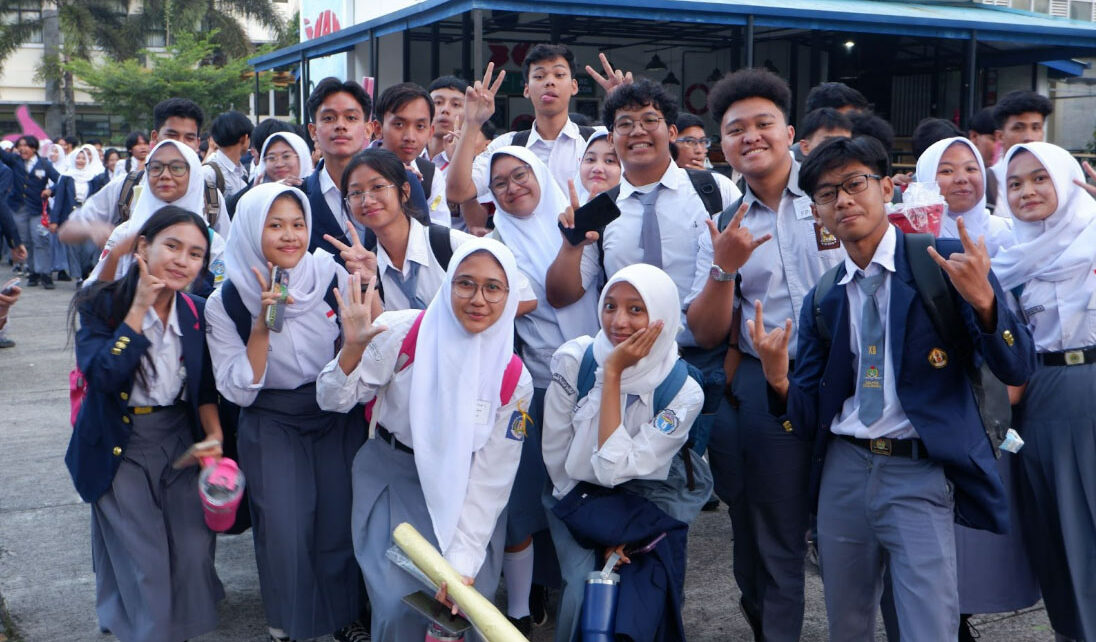
Universitas Padjadjaran strengthens its commitment to excellence, inclusivity, and sustainability
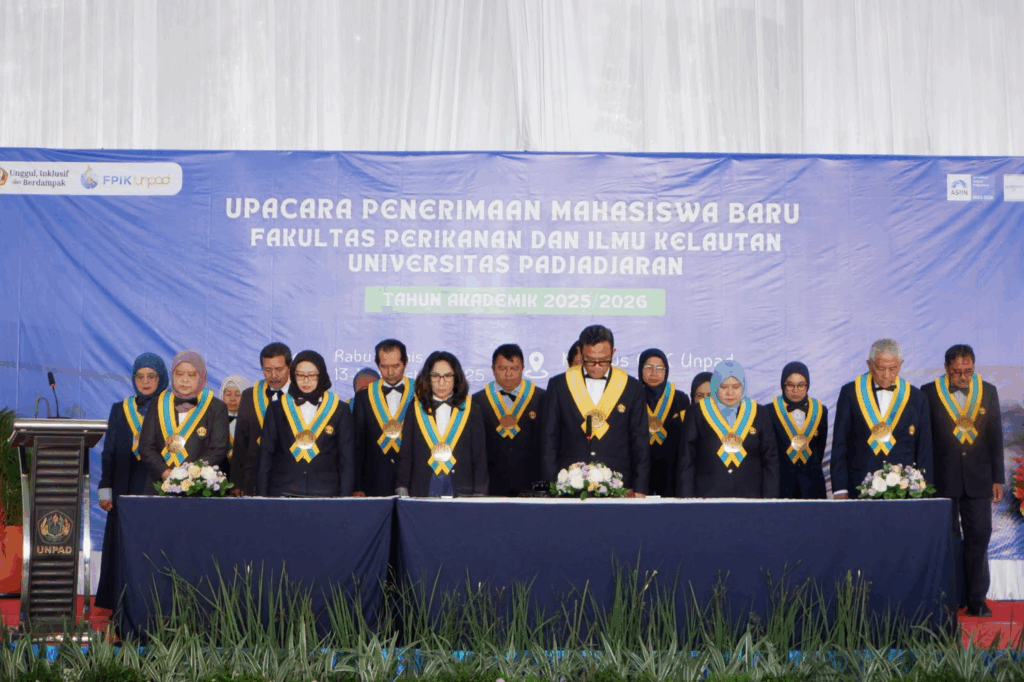
Jatinangor, 13 August 2025 — The Faculty of Fisheries and Marine Sciences (FPIK), Universitas Padjadjaran, officially welcomed 492 new students for the Academic Year 2025/2026 in a ceremonial gathering at the Jatinangor campus. The event celebrated both academic achievement and the spirit of inclusivity, marking the beginning of an exciting journey for the incoming cohort.
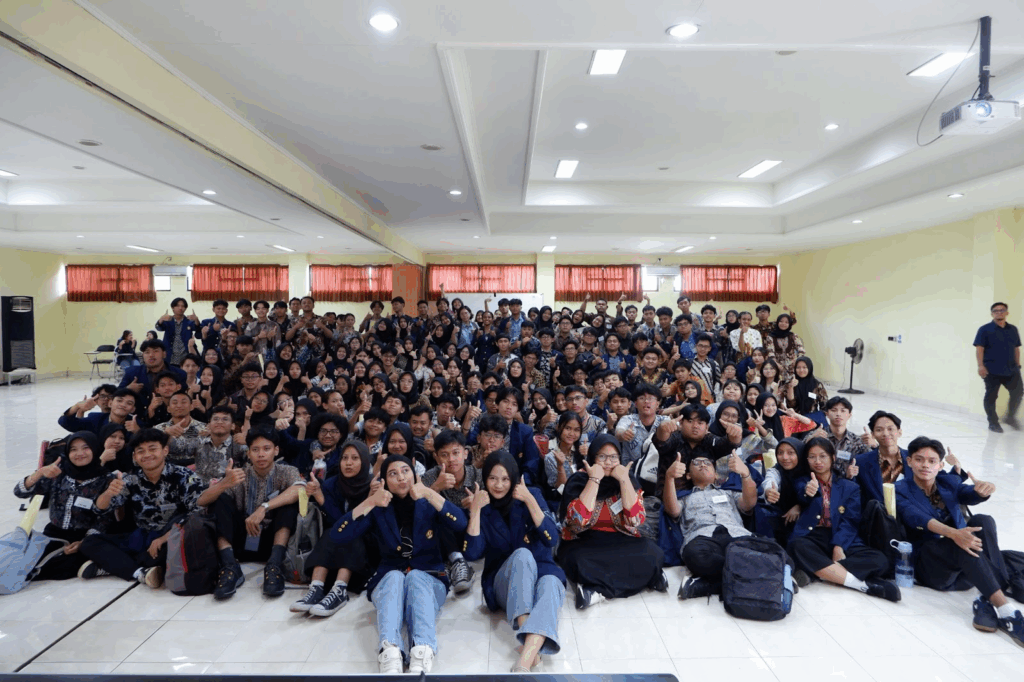
The new students are distributed across various programs: Bachelor of Fisheries (239 students), Bachelor of Marine Science (155 students), International Undergraduate Program in Marine Science (9 students), Bachelor of Tropical Marine Fisheries at PSDKU Pangandaran (81 students), Master of Fisheries (10 students), and Master of Marine Conservation (7 students). Admissions were conducted through diverse pathways, including Afirmasi DIKTI, International Class, UTBK, SNBT, KIP-K, and SMUP, ensuring broad access for students from different social and economic backgrounds.
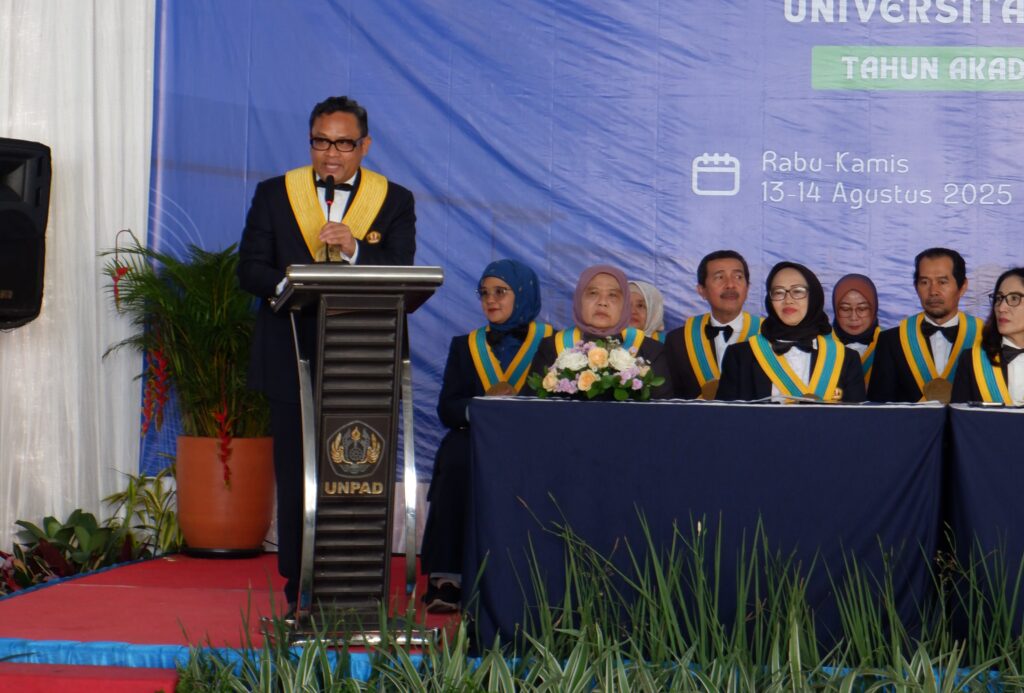
Dean of FPIK highlighted the faculty’s strong academic standing, with international accreditations from ASIIN (Germany) and IMAREST (UK), as well as “Unggul” ratings from BAN-PT for core programs. “You are now part of a community committed to excellence in learning, impactful research, and service to society. Together, we aim to produce future leaders, scientists, and innovators in the marine and fisheries sectors,” he remarked.
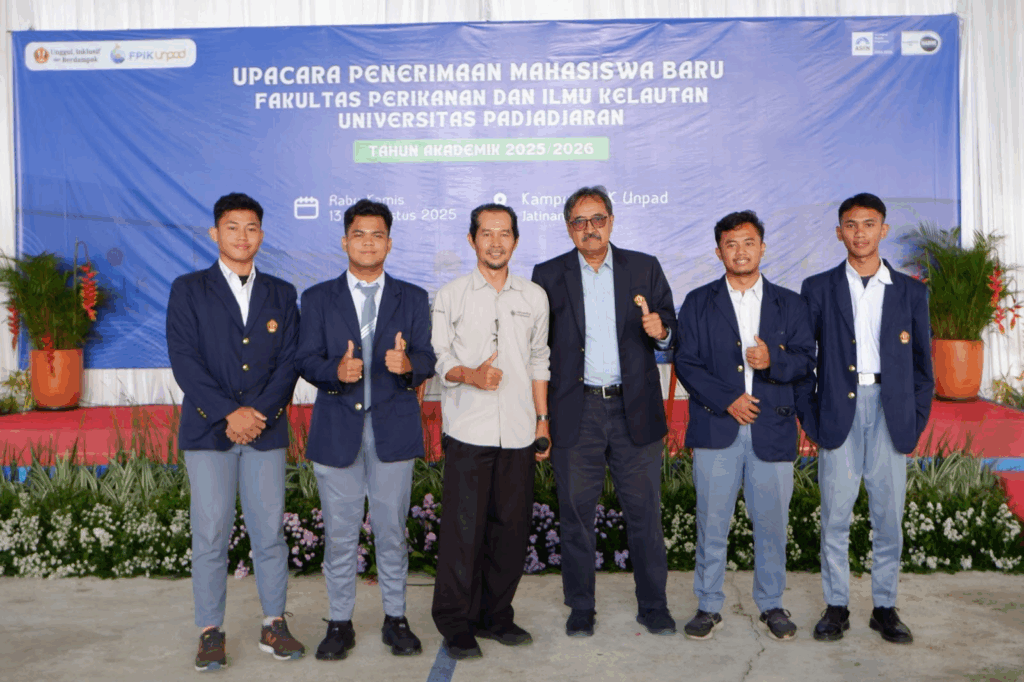
Vice Dean I emphasized the diverse origins of the new cohort, with 80% of students from West Java, 7% from Jakarta, 5% from Banten, and others representing provinces such as Yogyakarta, Central and East Java, Bengkulu, Aceh, West Nusa Tenggara, Riau Islands, Lampung, Bangka Belitung, Kalimantan, Sumatra, and Papua. “This diversity enriches our academic environment and strengthens our unity as one academic family,” he said.
Commitment to SDGs and Inclusivity
The Faculty reaffirmed its commitment to advancing the United Nations Sustainable Development Goals (SDGs), especially SDG 4 (Quality Education), SDG 10 (Reduced Inequalities), and SDG 14 (Life Below Water). Learning at FPIK is designed to be non-discriminatory, inclusive, and disability-friendly, supported by accessible facilities, mentoring, and opportunities for student engagement in research, community service, and international collaborations.
Commitment to the Future
The Dean closed his address by encouraging students to embrace the spirit of “FPIK Hebat”—a call to innovate, collaborate, and contribute to society. “Our goal is not only to achieve academic excellence but also to make a meaningful impact for Indonesia and the world,” he affirmed.