
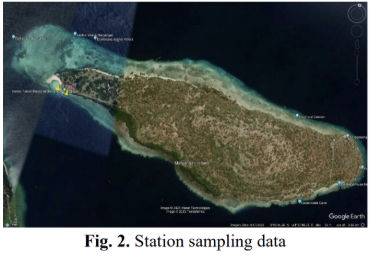


A new study published in the Egyptian Journal of Aquatic Biology & Fisheries (2025) investigated the distribution and health of coral reefs at Post 1, Menjangan Island, West Bali National Park—one of Indonesia’s prime marine ecotourism destinations. Using underwater photography and CPCe software analysis, the research found that live coral cover reached 40.01%, classifying the reef condition as “high.” However, the study also recorded 14.51% dead coral and 44.34% abiotic elements (such as rubble and sand), much of which are linked to human activities including diving, snorkeling, and anchoring.
The findings highlight the delicate balance between marine tourism and reef conservation. While West Bali National Park attracts local and international visitors for diving and snorkeling, the pressure from tourism-related activities contributes to coral damage. The researchers emphasize the urgent need for stricter regulations, sustainable tourism practices, and increased awareness among visitors to safeguard coral reefs, which play critical roles in coastal protection, biodiversity conservation, and community livelihoods.
This research contributes to the achievement of United Nations Sustainable Development Goals (SDG 11 – Sustainable Cities and Communities, SDG 13 – Climate Action, SDG 14 – Life Below Water, and SDG 15 – Life on Land).
Full article: https://www.scopus.com/pages/publications/105005718448
Meet the Researchers
This study was conducted by Donny Juliandri Prihadi, Syawaludin Alisyahbana Harahap, Buntora Parasibu, and Wahyuniar Pamungkas (Department of Marine Science, Universitas Padjadjaran), together with Febri Yohanes Simbolon (Study Program of Marine Science, Universitas Padjadjaran).
Hashtags
#CoralReefs #MarineTourism #WestBali #ReefConservation #UnpadResearch #SDG11 #SDG13 #SDG14 #SDG15