
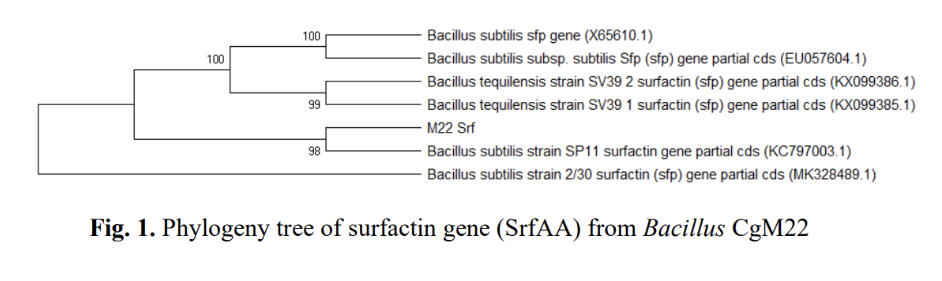




A new study published in the Egyptian Journal of Aquatic Biology & Fisheries (2025) explored the role of Bacillus subtilis CgM22—a probiotic bacterium isolated from fish intestines—in boosting the immune system of common carp (Cyprinus carpio). Researchers identified antimicrobial peptide (AMP) genes such as surfactin (SrfAA) and subtilin (SpaS), which demonstrated strong antibacterial potential. Feeding carp with B. subtilis cultures at 10⁸ CFU/mL significantly enhanced toll-like receptor 2 (TLR2) gene expression in both kidney and liver tissues, strengthening disease resistance.
The findings show that probiotics like B. subtilis can serve as natural immunostimulants, reducing reliance on antibiotics and improving fish health in aquaculture systems. This innovation supports sustainable aquaculture practices while addressing challenges posed by pathogenic bacteria. The research aligns with the United Nations Sustainable Development Goals (SDG 2 – Zero Hunger, SDG 3 – Good Health and Well-being, SDG 12 – Responsible Consumption and Production, SDG 14 – Life Below Water).
Meet the Researchers:
This study was conducted by Yuniar Mulyani and Aisyah from the Department of Fisheries, Faculty of Fisheries and Marine Sciences, Universitas PadjadjaranHashtags:
#CarpAquaculture #FishHealth #Probiotics #BacillusSubtilis #UnpadResearch #SDG2 #SDG3 #SDG12 #SDG14