
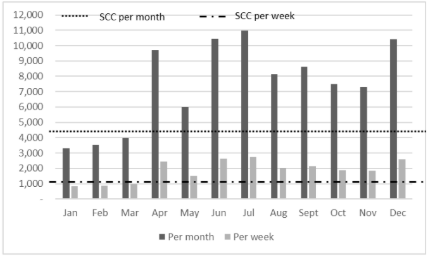


A groundbreaking study from researchers at [insert faculty name] has been published in the Journal of Marine and Island Cultures, showcasing how social carrying capacity (SCC) can guide sustainable tourism development on small islands. Using Pari Island in Jakarta as a case study, the research led by Triyono et al. (2025) reveals that while tourism brings economic benefits to local communities, its social impacts remain manageable, indicating that the island has not yet reached its SCC. This model provides a new pathway for balancing tourism growth with social well-being in fragile island ecosystems. (Related SDGs: SDG 11 Sustainable Cities and Communities, SDG 13 Climate Action, SDG 14 Life Below Water).
Key Findings and Policy Recommendations
The study identifies the accepted standard tourism density of 52 people per hectare on Pari Island and recommends proactive management, including a quota system, to prevent overtourism. By integrating perspectives from both tourists and local residents, the research underscores the importance of participatory approaches to tourism planning. This aligns with Indonesia’s National Tourism Strategic Area policies and strengthens the evidence base for sustainable tourism management. (Related SDGs: SDG 8 Decent Work and Economic Growth, SDG 13 Climate Action).
Reference:
Read the full paper here — DOI: 10.21463/jmic.2025.14.1.04.
Meet the Researchers
This study was led by Triyono and colleagues, experts in sustainable marine and island development. The team bridges academic research with actionable policy recommendations for Indonesia’s coastal and island regions.
Hashtags:
#SustainableTourism #SmallIslands #SocialCarryingCapacity #SDG13 #ClimateAction #LifeBelowWater #MarineResearch #MeetTheResearchers