
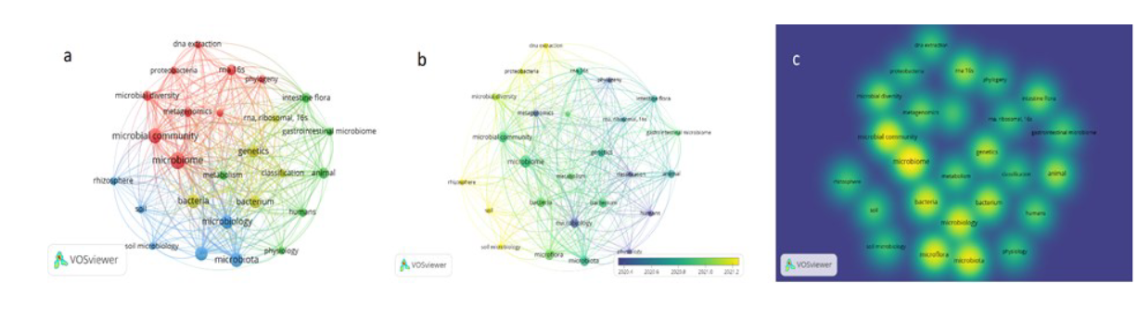


This paper provides a comprehensive bibliometric analysis of global environmental microbiome research between 2009 and 2024. By systematically examining 2,154 publications indexed in Scopus, the study reveals a sharp growth in output starting in 2017, peaking in 2024. The analysis identifies the United States, China, and India as leading contributors, with China recently surpassing the U.S. in publication volume, signaling a geographic shift in research leadership.
The results highlight how microbiomes—diverse communities of bacteria, fungi, archaea, and viruses—are central to ecosystem stability, nutrient cycling, climate regulation, bioremediation, and sustainable agriculture. Emerging technologies such as next-generation sequencing, multi-omics, and AI-driven bioinformatics have accelerated discoveries and expanded the scope of microbiome applications.
Looking forward, the study suggests that microbiome research will play a critical role in addressing global environmental challenges, including soil and water remediation, climate change mitigation, and biodiversity conservation. The authors emphasize the importance of international collaboration, particularly as China’s scientific networks grow and integrate with global efforts. By showcasing publication trends, key authors, institutions, and thematic clusters, the paper offers guidance for future research priorities and fosters opportunities for cross-disciplinary partnerships.
Credits:
This study was authored by Wahyu Aristyaning Putri, Aprilia Sufi Subiastuti, Cahyo Wulandari, Mifta Pratiwi Rachman, Alfino Sebastian, Abdul Rahman Siregar, Tyas Ikhsan Himawan, Dwi Sendi Priyono, Neng Tanty Sofyana, Yekti Asih Purwestri, Husna Nugrahapraja, and Anjar Tri Wibowo (corresponding author, Universitas Airlangga and Universitas Gadjah Mada)
.
Hashtags:
#MicrobiomeResearch #GlobalScience #SDG15 #ClimateAction #Biodiversity #SustainableFuture #EnvironmentalMicrobiology
Publication Link:
https://journal.pandawainstitute.com/index.php/jmans/article/view/266