
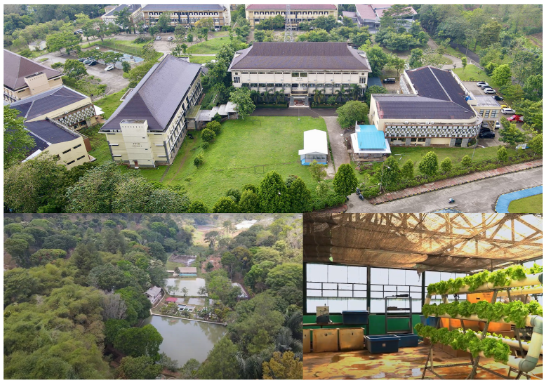
To strengthen this commitment, FPIK Unpad has outlined 19 key initiatives that reflect its integrated approach to energy efficiency and sustainability. These efforts range from energy-efficient renovation and construction, improving building performance, reducing carbon emissions, and adopting renewable energy, to providing sustainable transportation solutions, community outreach, and developing green energy policies. Together, these initiatives form a comprehensive roadmap that not only supports Universitas Padjadjaran’s sustainability agenda but also contributes to the global pursuit of achieving the Sustainable Development Goals (SDGs), particularly SDG 7 on Affordable and Clean Energy.
SDGs 7: Affordable and Clean Energy
The seventh Sustainable Development Goal (SDG 7) emphasizes access to affordable, reliable, sustainable, and modern energy for all. Energy is a fundamental need that directly impacts economic growth and community well-being. Therefore, strategies for efficient provision and distribution of energy play a vital role in achieving this goal.
FPIK is committed to implementing …
- Energy-Efficient Renovation and Construction
FPIK Unpad implements policies to ensure that all renovations and new buildings meet energy efficiency standards, such as:
- Using automatic sensor lighting to reduce electricity consumption.
- Replacing lamps with low-wattage LEDs that provide sufficient illumination.
- Maximizing ventilation to reduce the use of air conditioning.
- Optimizing natural light through windows to minimize daytime lamp usage.
- Adjusting faucet water pressure to match actual needs. [Click here]
- Upgrading Buildings to Higher Energy Efficiency
FPIK continues to improve building efficiency by:
- Reducing daytime lamp use by optimizing natural lighting through windows.
- Setting annual targets for more buildings to operate without air conditioning and instead improve air circulation.
- Carbon Reduction and Emission Control
FPIK supports carbon management and CO₂ reduction by:
- Reducing the use of private vehicles within and outside campus.
- Encouraging the use of campus shuttle buses, electric bikes (Beam), and Unpad staff buses.
- Energy Consumption Reduction Plan
This program aims to cut overall energy use by:
- Replacing conventional lamps.
- Optimizing natural ventilation and window functions.
- Reducing dependency on air conditioning and similar energy-intensive equipment.
- Identifying Energy Waste
FPIK reviews electricity and lighting usage to identify wasteful practices and implement corrective actions for energy savings. [Click here] - Total Energy Consumption
Based on research, total energy use at Universitas Padjadjaran is 21,543 Gigajoules (GJ), including the share from FPIK. - Campus Floor Area
The total campus floor area is 348,688 m², which includes the facilities of FPIK. - Support for Low-Carbon Innovation
FPIK promotes the use of electric vehicles such as Beam within the campus as part of its carbon reduction initiatives. - Transportation Initiatives to Reduce Private Vehicles
Universitas Padjadjaran provides free transportation for students, lecturers, staff, and guests.
- 20 shuttle buses operate daily from 07.00–16.00 WIB.
- 6 additional units operate from 16.00–18.00 WIB.
- Two main routes are available: Science (IPA) and Social Sciences (IPS).
- Campus Parking Reduction Program
Over the past three years, FPIK has supported initiatives to reduce parking areas by converting empty spaces into green areas such as gardens and gazebos. - Divestment Policy
FPIK enforces a divestment policy by withdrawing investment from carbon-intensive industries, particularly coal and petroleum. - Community Outreach for Energy Efficiency
FPIK organizes educational programs for local communities to promote energy savings and reduce high-emission vehicle use. - Commitment to 100% Renewable Energy
Unpad has installed solar panels at several points to supply renewable energy. While FPIK still relies on university-supplied energy, efforts to integrate renewable sources are ongoing. - Energy Efficiency Services for Industry
FPIK provides direct services to local industries, including training and the use of solar panels and water-based energy solutions. - Policy Development for Green Energy Technologies
FPIK has adopted:
- LED lighting.
- Automatic sensor lamps.
- Water-saving faucets.
- Inverter AC and efficient LCD TVs. [Click here]
- Shuttle Services
Unpad provides shuttle services for staff and students, including employee buses and campus-wide transportation. FPIK staff also benefit from these facilities. [Click here] - Energy-Efficient Equipment Usage
FPIK is currently in the process of adopting more energy-efficient equipment to support sustainable operations. - Electricity Usage per Campus Population
Electricity use across the campus is sufficient, with FPIK maintaining backup lines from the main grid for emergencies. - Renewable Energy Ratio per Annual Consumption
FPIK actively promotes energy-saving practices to prevent excessive consumption and reduce spikes in electricity use.
#FPIKUnpad #UnpadSustainability #GreenCampus #EnergyEfficiency #CarbonReduction #SustainableFuture #EcoCampus #GoGreenUnpad #RenewableEnergy #CleanEnergy #AffordableEnergy #SDG7 #ClimateAction #CarbonFootprint #SmartMobility #LowCarbonCampus #SustainableDevelopment