
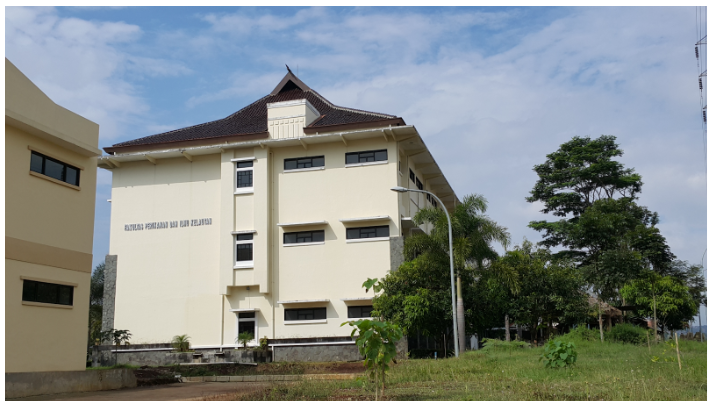
Bandung, 2024 – Universitas Padjadjaran (Unpad), through the Faculty of Fisheries and Marine Sciences (FPIK), has carried out an energy review as part of the implementation of Rector’s Regulation No. 13 of 2022 on Green Buildings (https://ppid.unpad.ac.id/wp-content/uploads/2023/05/Peraturan-Rektor-Nomor-13-tahun-2022-tentang-Bangunan-Gedung-Hijau-di-Lingkungan-Unpad.pdf). The initiative aims to identify areas with the highest energy consumption and formulate strategies to reduce waste across campus facilities.
Preliminary findings show that fully air-conditioned laboratories are the largest energy consumers, followed by outdated lighting systems in older buildings, and air conditioning units that remain on in unused rooms. To address these issues, Unpad and FPIK have recommended several measures, including replacing conventional lamps with LED lighting, introducing AC zoning, installing automatic sensors, and optimizing IoT-based energy monitoring systems.
These actions are projected to reduce electricity use by up to 31–54 percent while significantly cutting carbon emissions. Moreover, the program aligns with Unpad’s broader Green Campus agenda, which includes reducing parking spaces and converting empty lots into parks and gazebos, encouraging the academic community to adopt more sustainable modes of transportation.Through the combination of energy audits, green mobility initiatives, and land-use optimization, Unpad and FPIK reaffirm their strong commitment to sustainability and their long-term goal of becoming a net-zero emission campus. This initiative also serves as a model for other universities seeking to integrate environmental responsibility into their academic environments.