
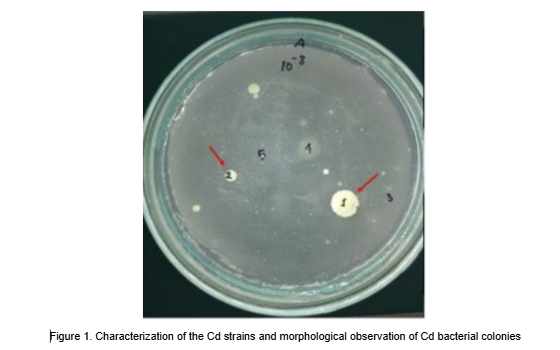


A team of researchers from Universitas Padjadjaran and international collaborators has successfully isolated and identified cadmium-reducing bacteria from contaminated coastal sediment in Karangsong Port, Indramayu. Two promising isolates—Karangsong Cd3 and Cd7—were identified as Pseudoalteromonas issachenkonii and Pseudoalteromonas tetraodonis, capable of reducing cadmium concentrations in seawater by up to 50% within 6 hours.
These bacteria demonstrated strong resistance to cadmium exposure and showed potential as bioremediation agents for polluted marine environments. By harnessing naturally occurring microbes, this approach offers a sustainable alternative to conventional chemical treatments in tackling heavy metal contamination, safeguarding both aquatic ecosystems and human health.
The research directly supports the UN Sustainable Development Goals (SDGs) 6: Clean Water and Sanitation, 14: Life Below Water, and 15: Life on Land, highlighting the importance of microbial-based innovations in protecting coastal resources from industrial pollution.
Full article: https://doi.org/10.3923/pjbs.2025.102.110
Meet the Researchers:
This study was conducted by Tri Dewi Kusumaningrum Pribadi, Buntora Pasaribu, Kalysta Fellatami, Jiang Mingguo, Azimah Ismail, Choerunnisa Febriani, Ching Fui Fui, and Yudi Nurul Ihsan from Universitas Padjadjaran, Ocean University of China, Guangxi University for Nationalities, Universiti Sultan Zainal Abidin, and Universiti Malaysia Sabah.
Hashtags:
#Bioremediation #MarinePollution #HeavyMetals #SDG6 #SDG14 #SDG15 #UnpadResearch #Indramayu