
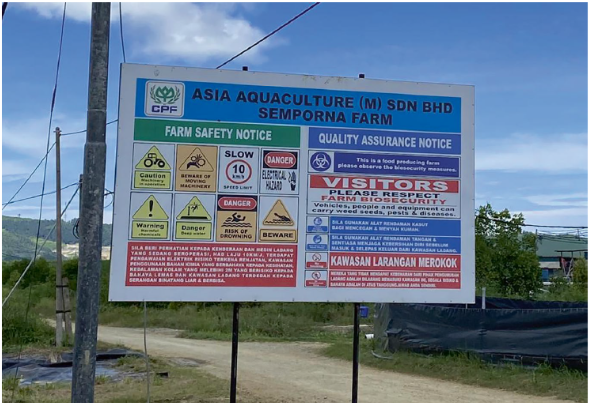


Researchers from Universitas Padjadjaran, together with international collaborators, have contributed to the book chapter “Biosecurity in Aquaculture: Nurturing Health and Ensuring Sustainability” (Springer Nature, 2024). The chapter highlights how biosecurity practices—from quarantine protocols to advanced diagnostic tools—are essential to safeguarding aquatic animal health, ensuring environmental stewardship, and supporting global food security. This research also underscores the role of innovation, disease management, and sustainable aquaculture practices in mitigating climate-related risks, directly supporting SDG 13 (Climate Action) and SDG 14 (Life Below Water).
The chapter emphasizes that effective biosecurity measures not only protect aquaculture operations from disease outbreaks but also reduce environmental pressures and promote resilience in aquatic ecosystems. By minimizing chemical usage, enhancing monitoring systems, and implementing sustainable stocking and water-quality management, the research outlines a roadmap for more climate-resilient aquaculture practices worldwide. These insights are timely as aquaculture grows to meet increasing seafood demand while facing environmental and climate challenges.
Meet the Researchers: This work features Fittrie Meyllianawaty Pratiwy from the Faculty of Fisheries and Marine Science, Universitas Padjadjaran, collaborating with experts from Malaysia and Egypt. Their contribution reflects Unpad’s ongoing commitment to advancing sustainable and responsible aquaculture research.
Reference: https://doi.org/10.1007/978-981-97-6699-4_8
Hashtags: #SDG13 #SDG14 #Aquaculture #Biosecurity #ClimateAction #SustainableFisheries #UnpadResearch